APU Psychology students step beyond the classroom to support adolescents and families while developing practical skills in empathy, facilitation and applied psychology through meaningful community engagement.
Image
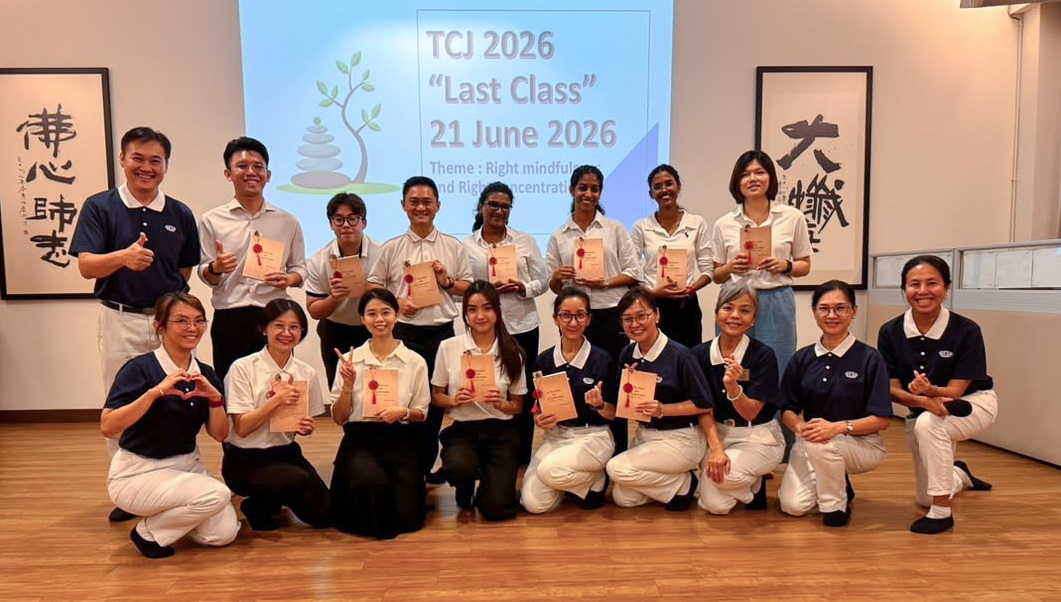
Extending its commitment to community outreach and experiential learning, the School of Psychology (SoP) at Asia Pacific University of Technology & Innovation (APU) recently completed a three-session Social-Emotional Learning (SEL) emotional literacy workshop designed to help young people better understand, express and regulate their emotions.
Held on 8 March, 12 April and 21 June 2026 at Kepong Tzu Chi Jing Si Hall, the Tzu Chi Junior EQ Camp brought together approximately 25 participants aged 13 to 16, alongside their parents, for an engaging learning journey centred on emotional awareness and regulation.
Co-organised with the Tzu Chi International Medical Association (TIMA), the programme was conceptualised and designed by APU SoP Lecturer Mr Jaff Choong Gian Yong, together with Ms Lee Voon Yee, Clinical Psychologist at Pusat Terapi N&J.
Mr Jaff and fellow SoP Lecturer Mr Tan Wei Yu facilitated the workshops alongside five Level-3 Psychology students, giving the student facilitators valuable opportunities to practise psychology from the ground up through real interaction with young people and families.
The first session, led by Mr Jaff under the theme “Aware and Acknowledge”, helped participants recognise and name their emotions through activities including the Emotional Thermometer, Emotional Bingo and Body Awareness Tracing.
Mr Tan subsequently led “Process and Practise”, introducing practical emotional regulation techniques through the Emotional Card activity and SPA Traffic Light model.
The final session, “Understand and Uplift”, extended the learning further. Mr Tan guided the adolescents through CBT-based activities, including the CBT Burger and Emotional ABC, while Mr Jaff simultaneously conducted a Basic Parenting Skills session for their parents.
Through Neuro-Dramatic-Play (NDP), creativity, relationships and emotional connection were incorporated into the learning process, creating a supportive environment in which participants could feel seen, heard and understood.
For the APU Psychology students, the programme was equally transformative.
Final-year Bachelor of Science (Honours) in Psychology student Akshara Mutateesa said the experience strengthened her understanding of active listening, empathy and behavioural observation.
“Being a facilitator allowed me to engage closely with teenagers and better understand their emotions, thoughts and feelings. I also learned how important it is to create a safe space where young people feel comfortable expressing themselves and growing,” she reflected.
Fellow Level-3 Psychology student Tiffani described the experience as both enjoyable and meaningful, adding that witnessing the children’s development across the three sessions made her proud to have contributed to their journey.
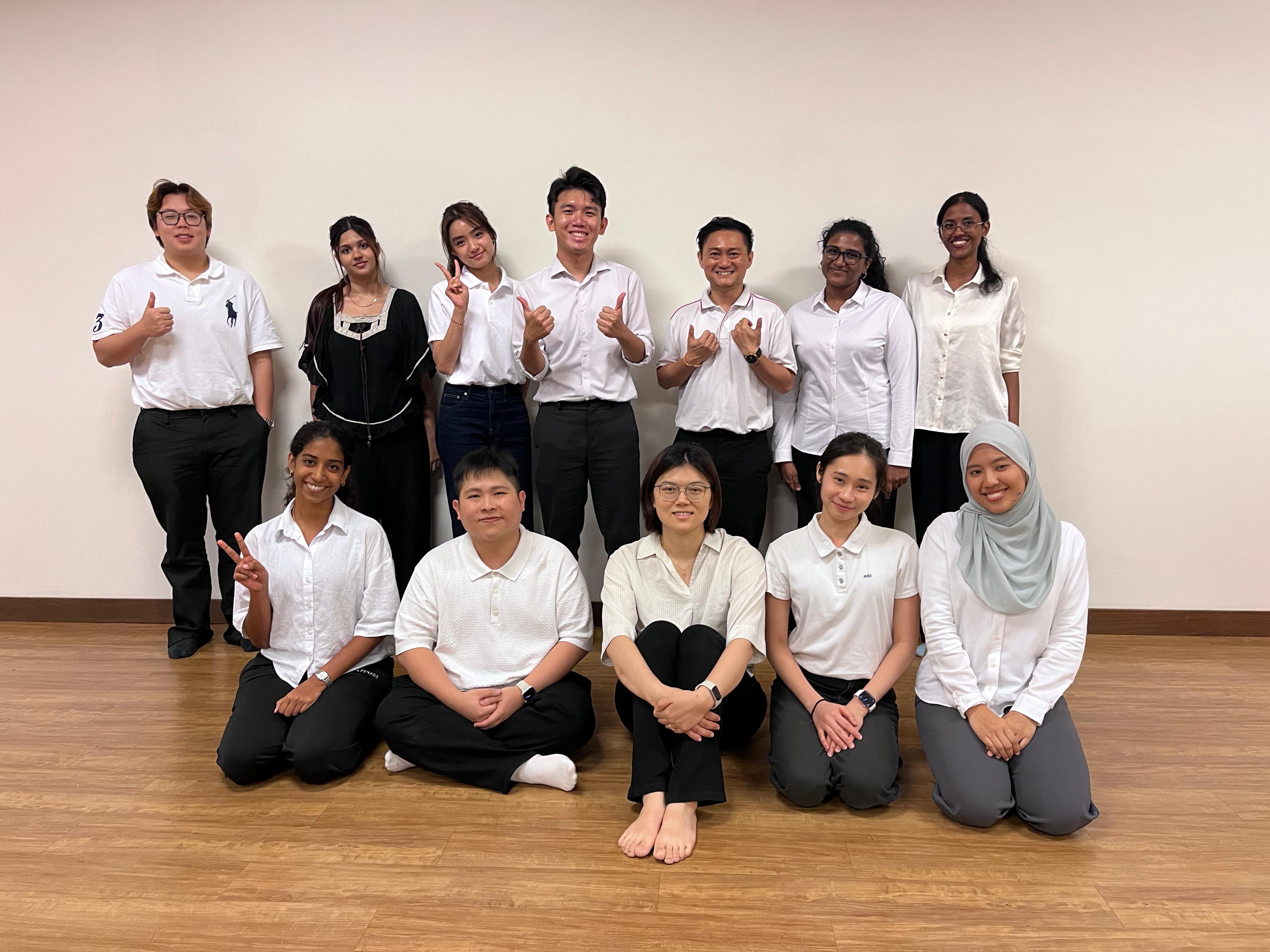
Reflecting on the programme, Mr Jaff highlighted the mutual learning experienced by facilitators and participants, particularly the importance of providing adolescents with emotionally safe spaces supported by empathy and meaningful relationships.
The collaboration reflects APU’s approach to psychology education: preparing students not only through academic foundations, but by bringing learning into the community. Through partnerships such as this, students develop professional confidence and human-centred skills while contributing meaningfully to emotional literacy and mental health awareness among the wider public.
News & Happening
Download e-Brochures
Intake Calendar
Want to know more ?
Let’s Connect