Ten engineering students from R.M.K. Engineering College experience hands-on technology training, cybersecurity projects and industry engagement at APU, marking a new chapter in international experiential learning.
Image
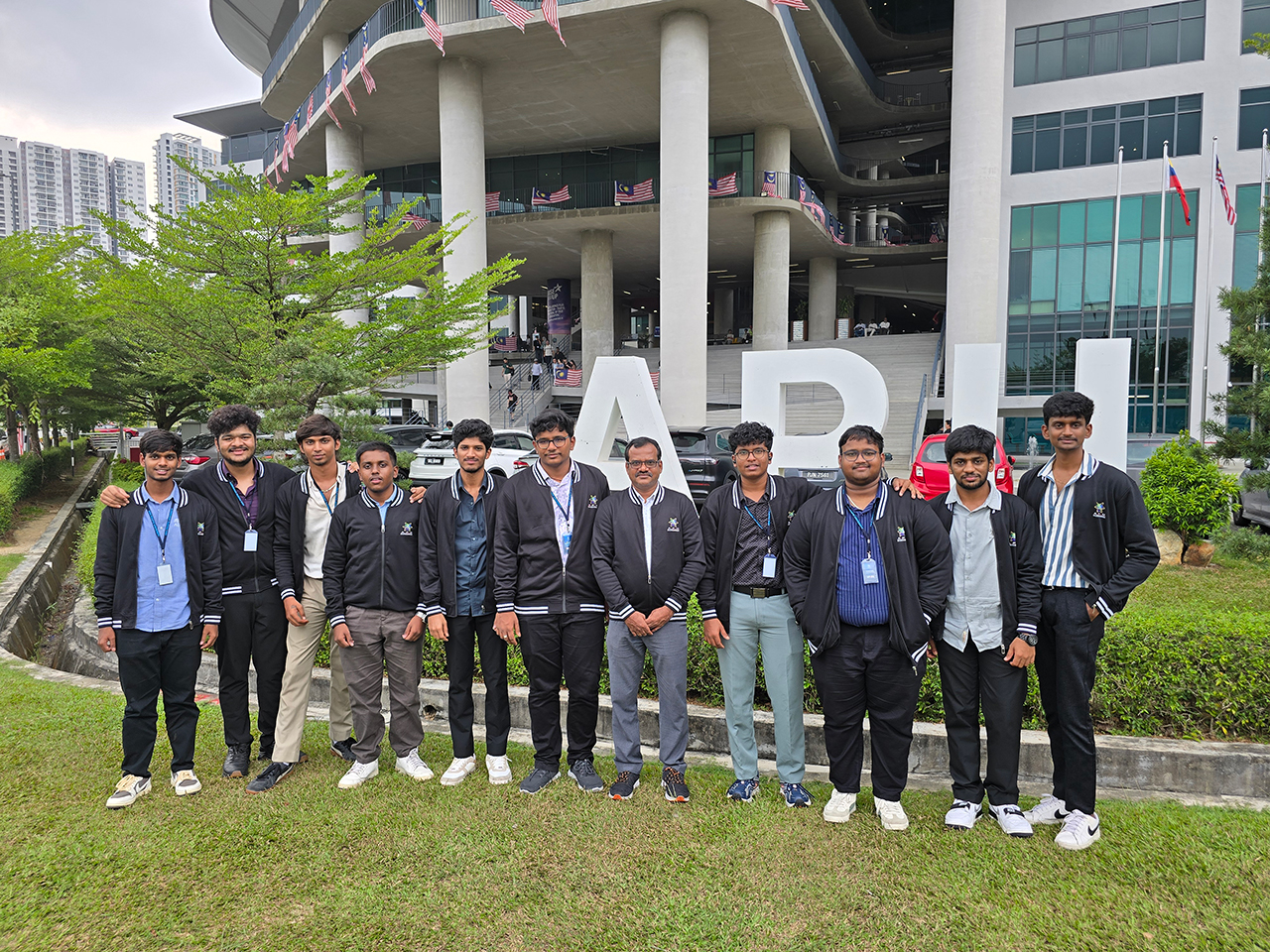
International education is no longer confined to attending lectures abroad. Increasingly, students are seeking opportunities to apply their knowledge, engage with industry professionals, and experience different working cultures before entering the workforce.
Recognising this evolving demand, Asia Pacific University of Technology & Innovation (APU) has expanded its SPARK Internship Programme beyond Malaysian borders, welcoming its first international cohort of 10 Computer Science Engineering students from R.M.K. Engineering College, India.
Held from 3 to 28 September 2026, the month-long programme combined practical technology projects, specialised workshops, career development and cultural experiences, positioning APU as an emerging destination for international internships and industry-oriented experiential learning.
The initiative represents a significant milestone for APU Corporate Training, which previously offered the SPARK Internship Programme to APU students. Its international expansion creates new opportunities for overseas institutions to tap into APU's technology ecosystem, academic expertise and industry networks.
Turning Classroom Knowledge into Practical Experience
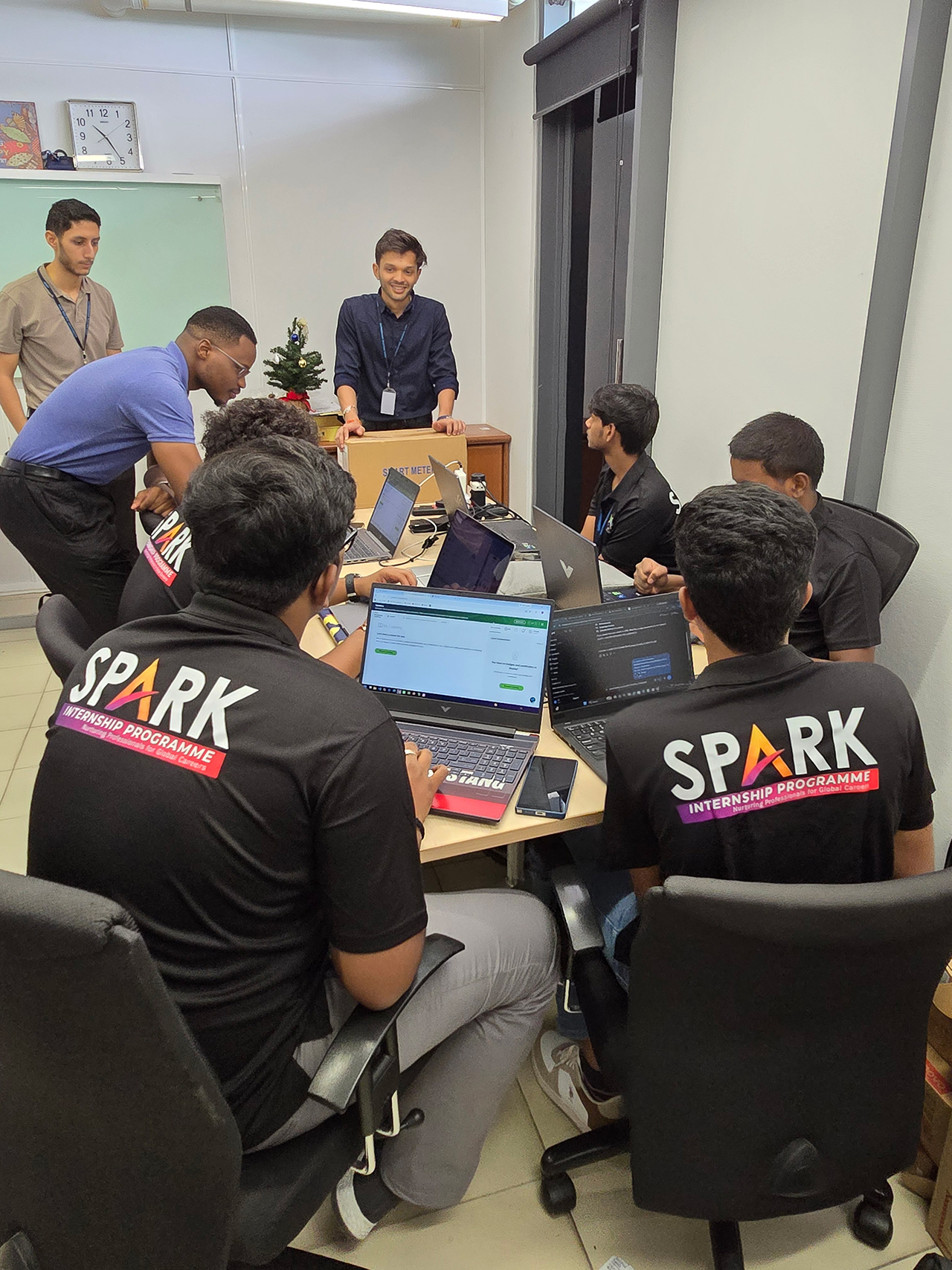
Rather than following a conventional study tour, the visiting students undertook structured assignments designed to bridge academic knowledge and workplace applications.
During their first week, they joined APU's Technology & Innovation team under the supervision of Mr Rasodin Ramuddin Hamzah, gaining practical exposure to Credential Authenticated Access technology, including its functions and potential applications.
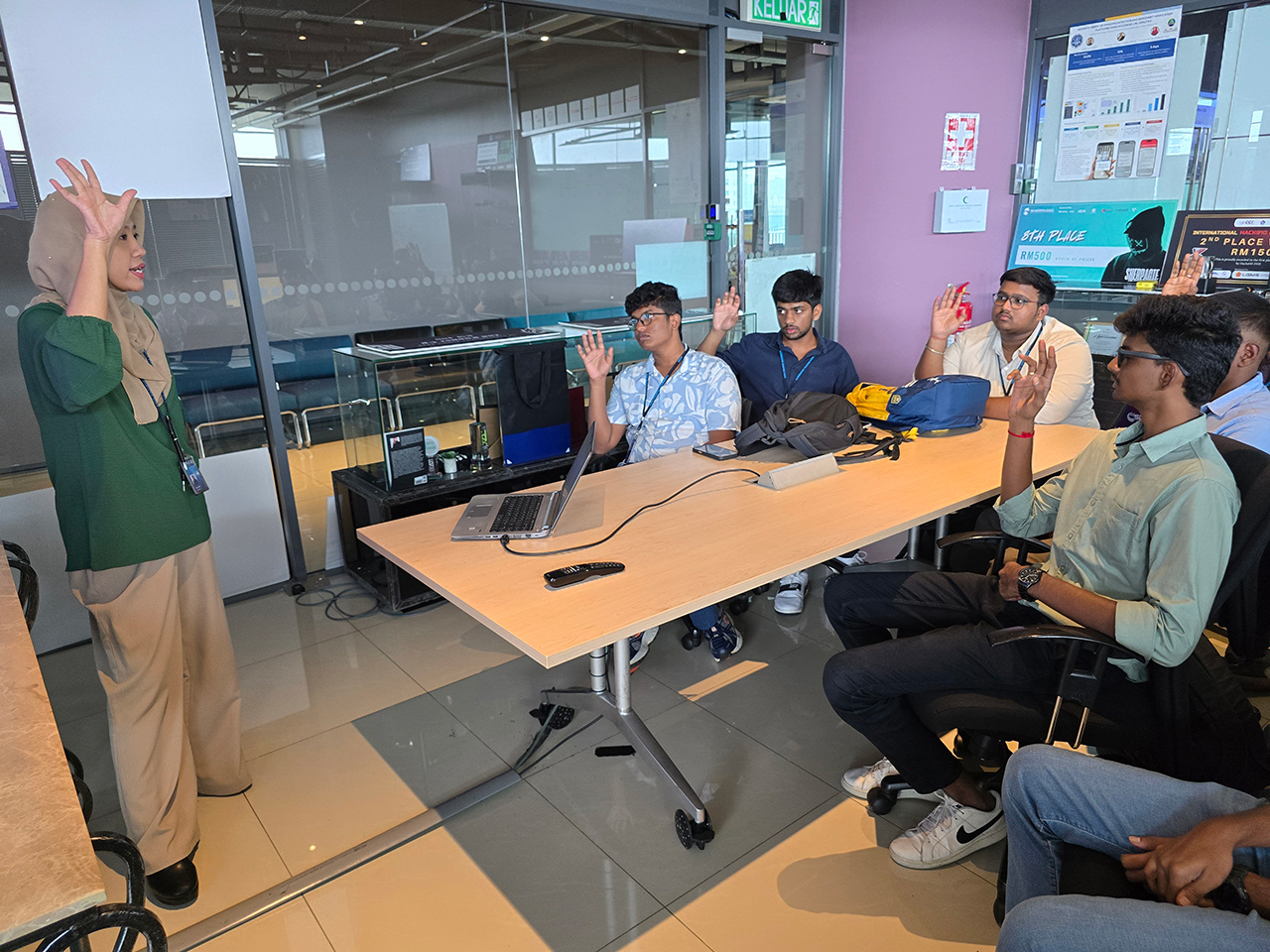
Their subsequent two-week attachment at APU's Forensic & Cyber Security Research Centre (FSeC), supervised by its Head, Assistant Professor Dr Julia Juremi, introduced them to cybersecurity research, programme content development and Vulnerability Assessment and Penetration Testing (VAPT).
Through practical security assessment exercises, students explored how cybersecurity professionals identify vulnerabilities, evaluate potential risks and communicate their findings.
Dr Julia highlighted the importance of providing learning experiences that extend beyond theoretical understanding.
"Through research activities and hands-on VAPT exercises using relevant security assessment tools, they had the opportunity to apply their knowledge in a practical setting while developing their technical, analytical and problem-solving skills," she explained.
She added that the placement strengthened students' confidence in assessing cybersecurity risks while laying a meaningful foundation for their future careers.
Expanding Technical Skills and Professional Mindsets
Complementing their project attachments, participants completed four specialised workshops facilitated by APU academics and trainers.
These included AI in Action by Dr Adeline Sneha John Chrisastum, Cyber Incident Investigation by Mr Kannan Asokan, Low-Code/No-Code by Mr Justin Gilbert Alexius Silvester, and Effectuation & Growth Mindset by Ms Farah Hanim Mohmmed Ismail.
Collectively, the sessions exposed students to emerging technologies while encouraging creativity, adaptability, entrepreneurship and independent problem-solving.
The programme also emphasised transferable workplace competencies, including teamwork, communication and presentation skills, which are increasingly important in multidisciplinary technology environments.
Connecting International Talent with Industry
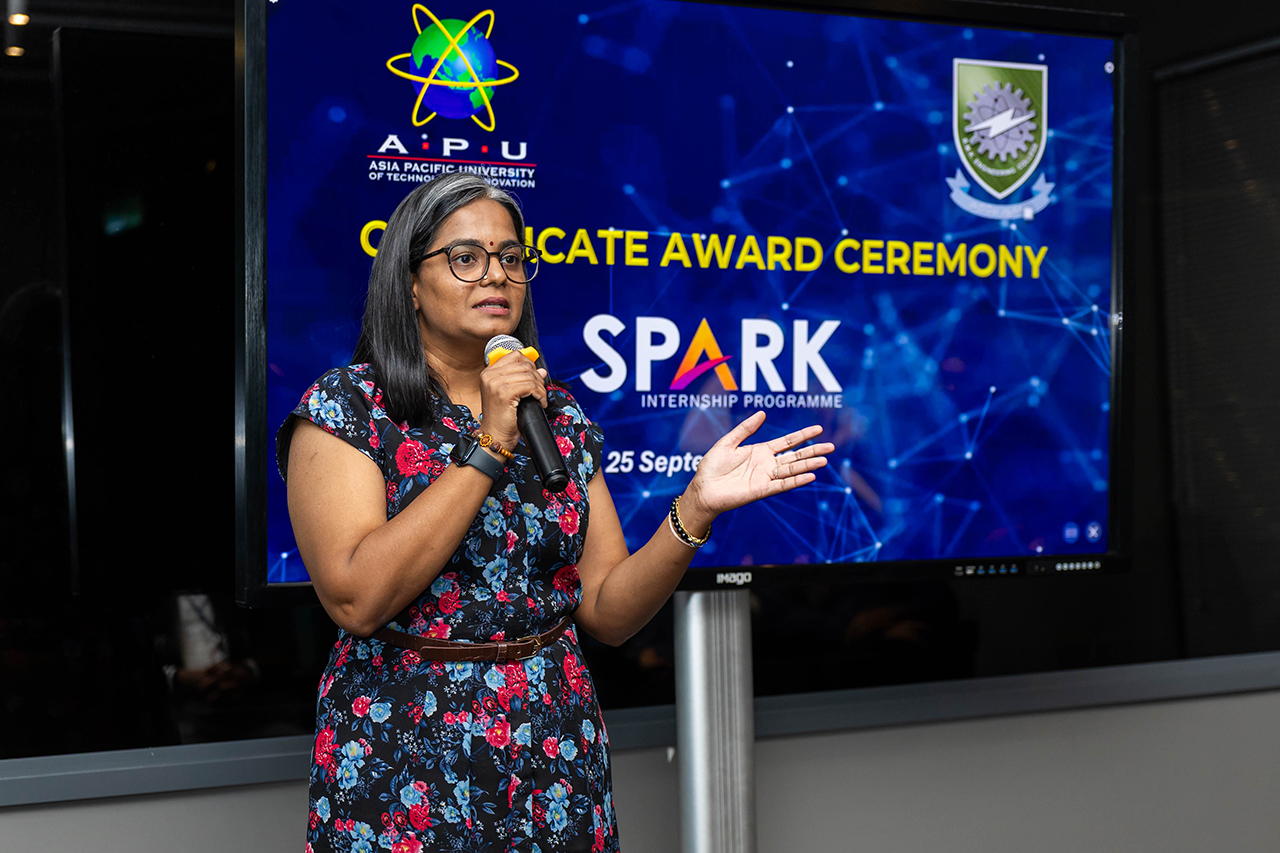
Industry engagement formed another defining feature of the SPARK experience.
During the closing programme, Ms Darshini Sitharam, Talent Development Lead, ASEAN, at Tata Consultancy Services (TCS), shared insights into graduate employment pathways, industry expectations and professional development opportunities.
Students learned about TCS's operations in Malaysia and India, its Initial Learning Programme, recruitment requirements and available training opportunities.
Their exposure extended to APU's Data Science Career Fair, which brought together 13 participating companies, including Al Rajhi Bank, CIMB Bank, Formosa Prosonic and FDM Group.
Through direct interaction with employers, participants gained valuable perspectives on career opportunities, recruitment expectations and the skills required to succeed in today's technology-driven workforce.
Building Global Connections Beyond the Campus
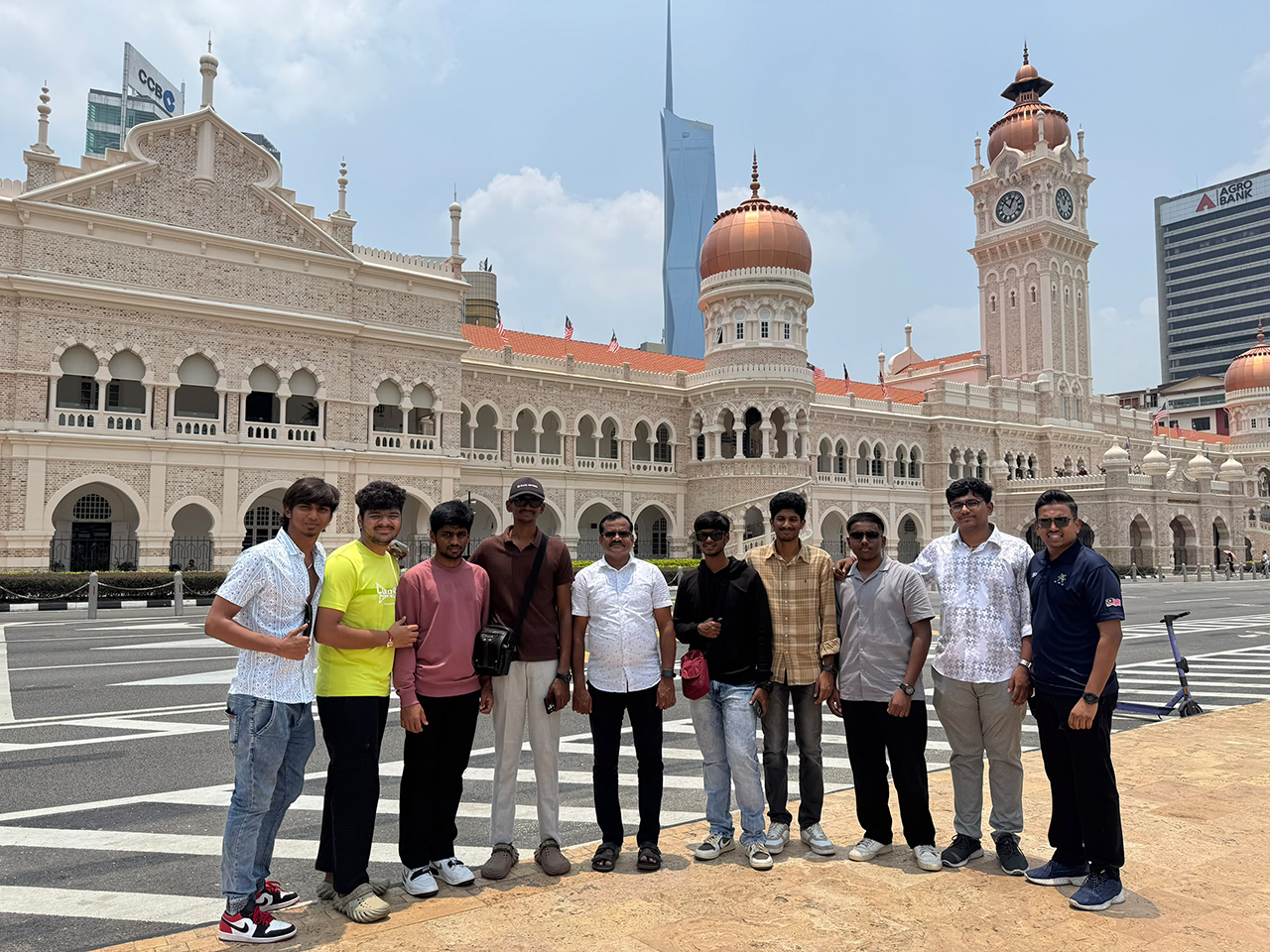
Beyond technical learning, APU Corporate Training organised a Kuala Lumpur City Tour and a visit to Genting Highlands, introducing participants to Malaysia's multicultural environment, landmarks and local experiences.
Accompanied by R.M.K. Engineering College Faculty Coordinator Associate Professor Dr Manikannan K, the students experienced a different academic and living environment, strengthening their independence, adaptability and intercultural communication.
The programme culminated in a Closing and Award Ceremony on 25 September 2026, featuring student reflections, supervisor feedback and certificate presentations recognising their internship achievements and workshop participation.
Facilitated through APU's international engagement initiatives, with coordination support from Associate Professor Ts Dr Raenu Kolandaisamy, the collaboration also opens possibilities for future cohorts and broader institutional partnerships.
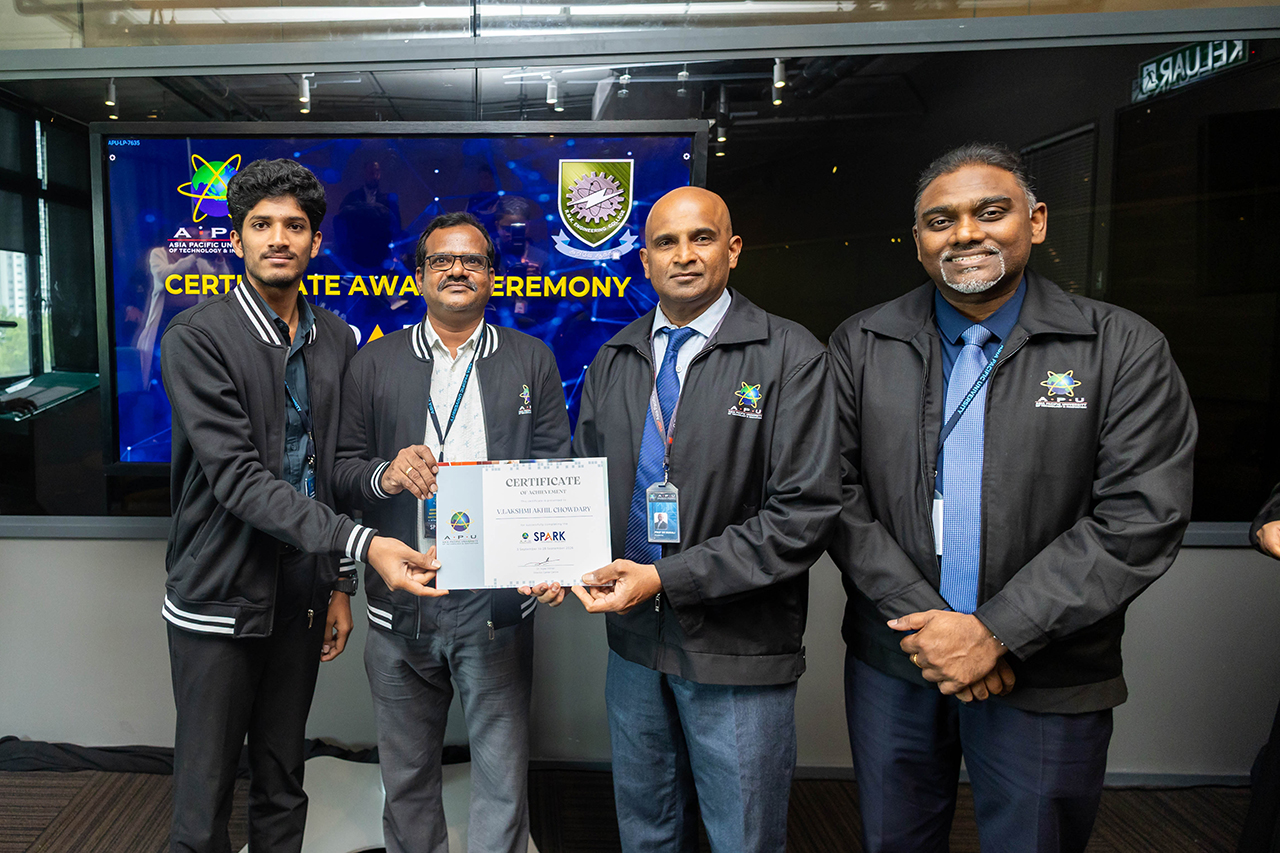
For APU, the inaugural international SPARK programme represents more than hosting overseas students. It demonstrates how universities can connect education, industry and international mobility through meaningful practical experiences.
“The international expansion of our SPARK Internship Programme reflects APU’s commitment to taking experiential learning beyond geographical boundaries. By combining academic expertise, hands-on technology training and industry engagement, we are creating meaningful opportunities for students to develop the skills, confidence and global perspectives needed in today’s interconnected workforce. We envision SPARK becoming a platform for stronger international partnerships and cross-border talent development,” said Professor Ts Dr Murali Raman, Deputy Vice-Chancellor (Academic Development & Strategy) at APU.
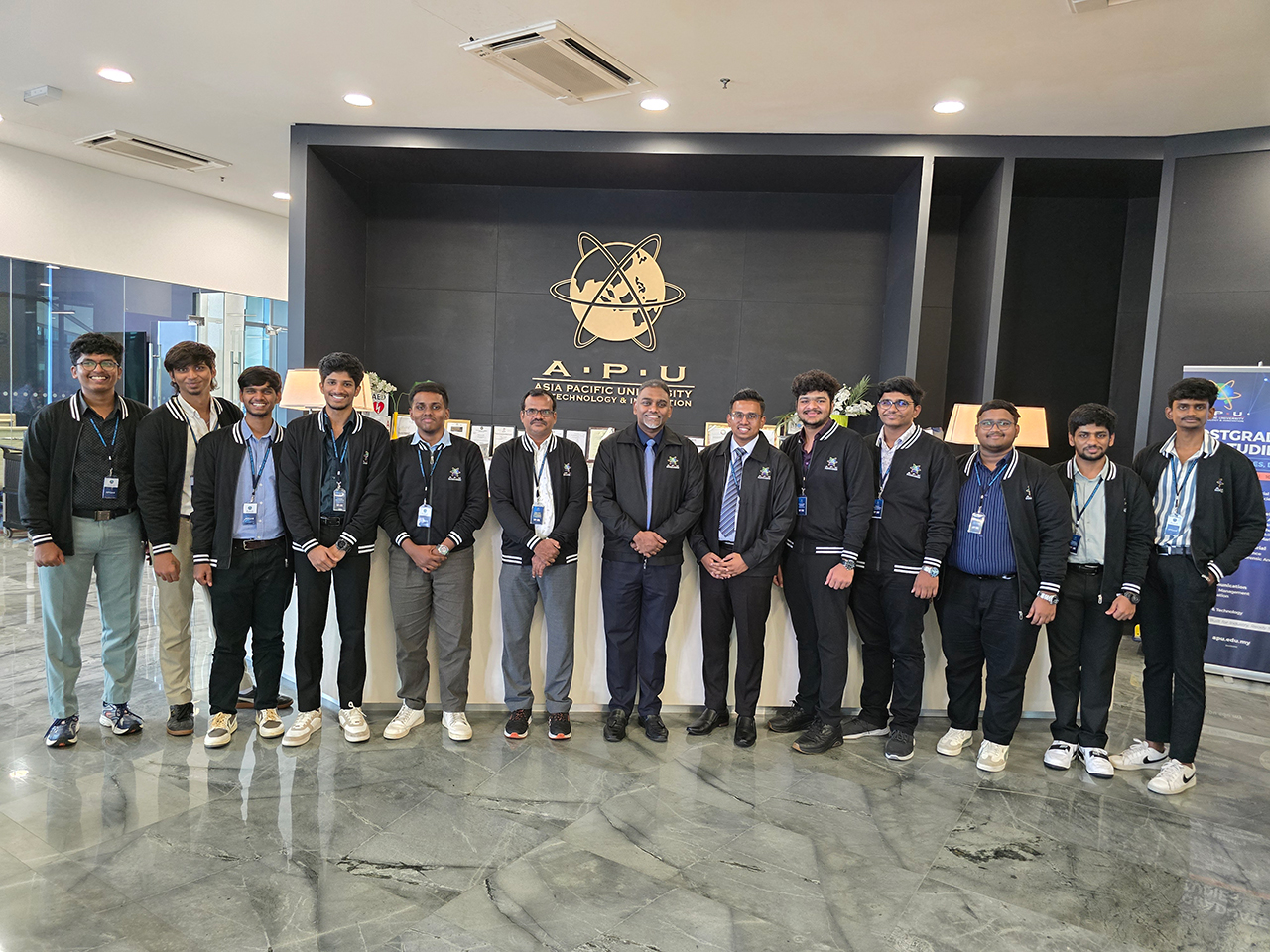
As discussions progress towards welcoming additional international participants, APU aims to develop SPARK into a wider platform for cross-border talent development, reinforcing its commitment to nurturing globally connected, adaptable and industry-ready technology professionals.
News & Happening
Download e-Brochures
Intake Calendar
Want to know more ?
Let’s Connect