Asia Pacific University of Technology & Innovation (APU), through its School of Marketing & Management (SoMM), successfully delivered a three-day Knowledge Transfer Programme (KTP 2025) titled “Empowering Primary School Students at Sekolah Kebangsaan Bukit Jalil on SDG Knowledge”, aimed at nurturing sustainability awareness, practical life skills and digital literacy among primary school students.
Image
The initiative was led by Ms Harjinder Kaur, Senior Lecturer and Industry Advisory Panel (IAP) Coordinator, SoMM, supported by a committee team comprising Mr David Ng Kok Meng (Academic Leader and Senior Lecturer, SoMM), Ms Rahilah Ahmad (Lecturer, SoMM), and Ms Vaneetha Sagadevan (Lecturer, SoMM), with external advisory support from Dr Nor Azrul Mohd Zin of Universiti Kebangsaan Malaysia (UKM).
The programme was hosted on-site at Sekolah Kebangsaan Bukit Jalil, under the leadership of the school principal, Mr Rozaidi Bin Ismail, and the school’s dedicated teaching team.
Conducted on 28 October, 4 November and 11 November 2025, the programme addressed the growing need to introduce Sustainable Development Goals (SDGs) education at an early age through experiential learning.
While sustainability is increasingly emphasised globally, awareness among young learners remains limited due to the strong focus on core academic subjects. This initiative was designed to bridge that gap by making SDG learning interactive, relevant and action-oriented, aligned with SDG 3 (Good Health and Well-being), SDG 12 (Responsible Consumption and Production) and SDG 4 (Quality Education).
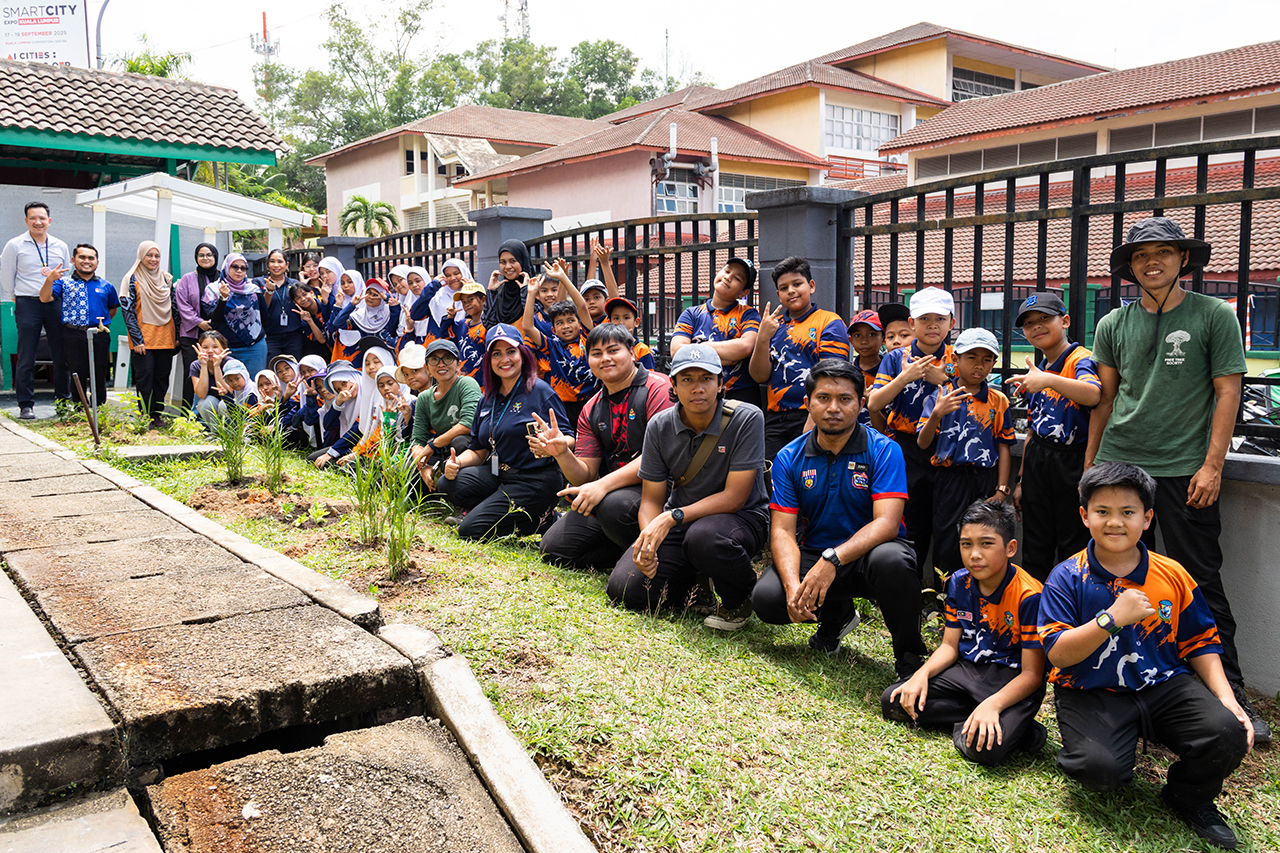
Day One focused on environmental stewardship under SDG 3 through a tree-planting and environmental awareness session led by Ms Rina Omar, Programme Manager of Free Tree Society. Students learned about the health benefits of greenery, proper tree care, and soil preparation before participating in hands-on planting activities. The session moved students from basic awareness to active conservation, helping them understand how green spaces contribute to physical and mental well-being while fostering a sense of ownership, teamwork, and responsibility towards nature.
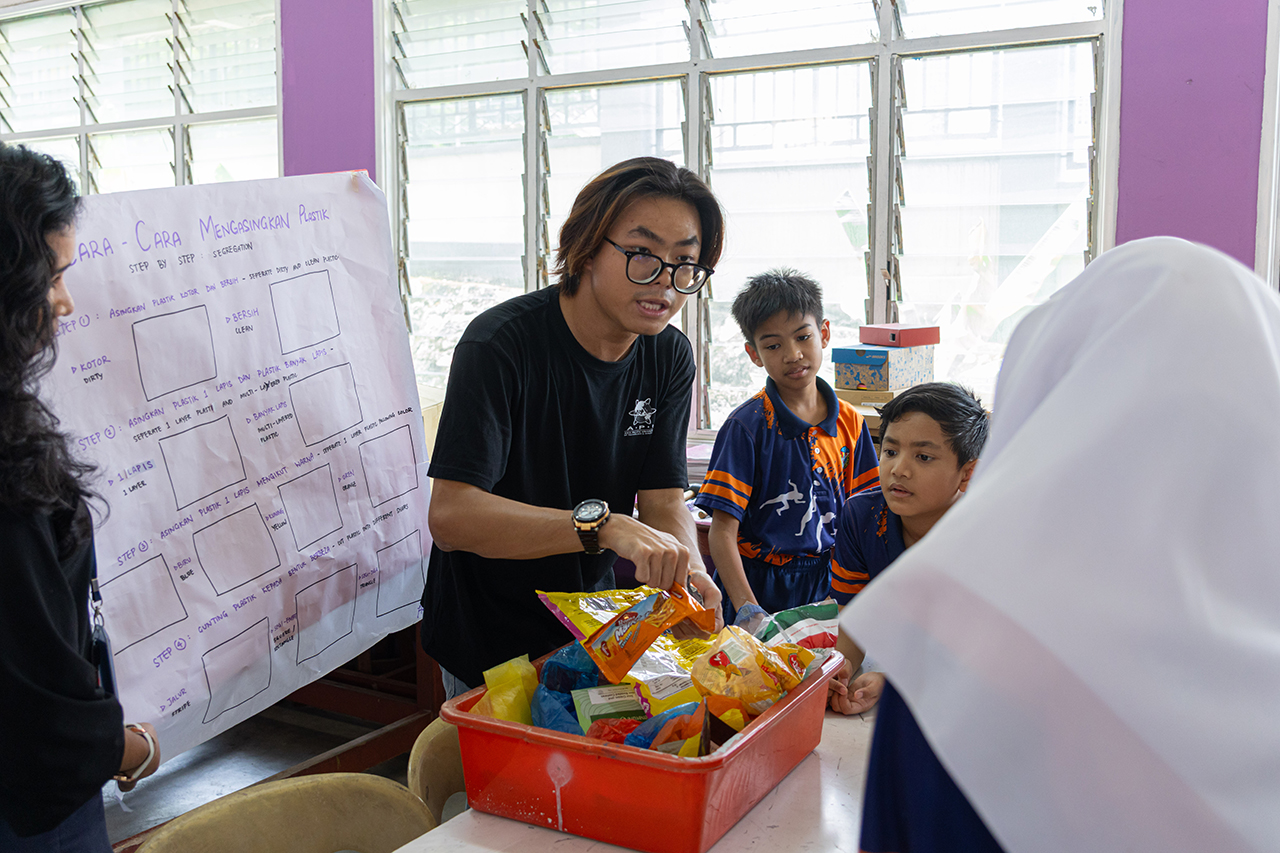
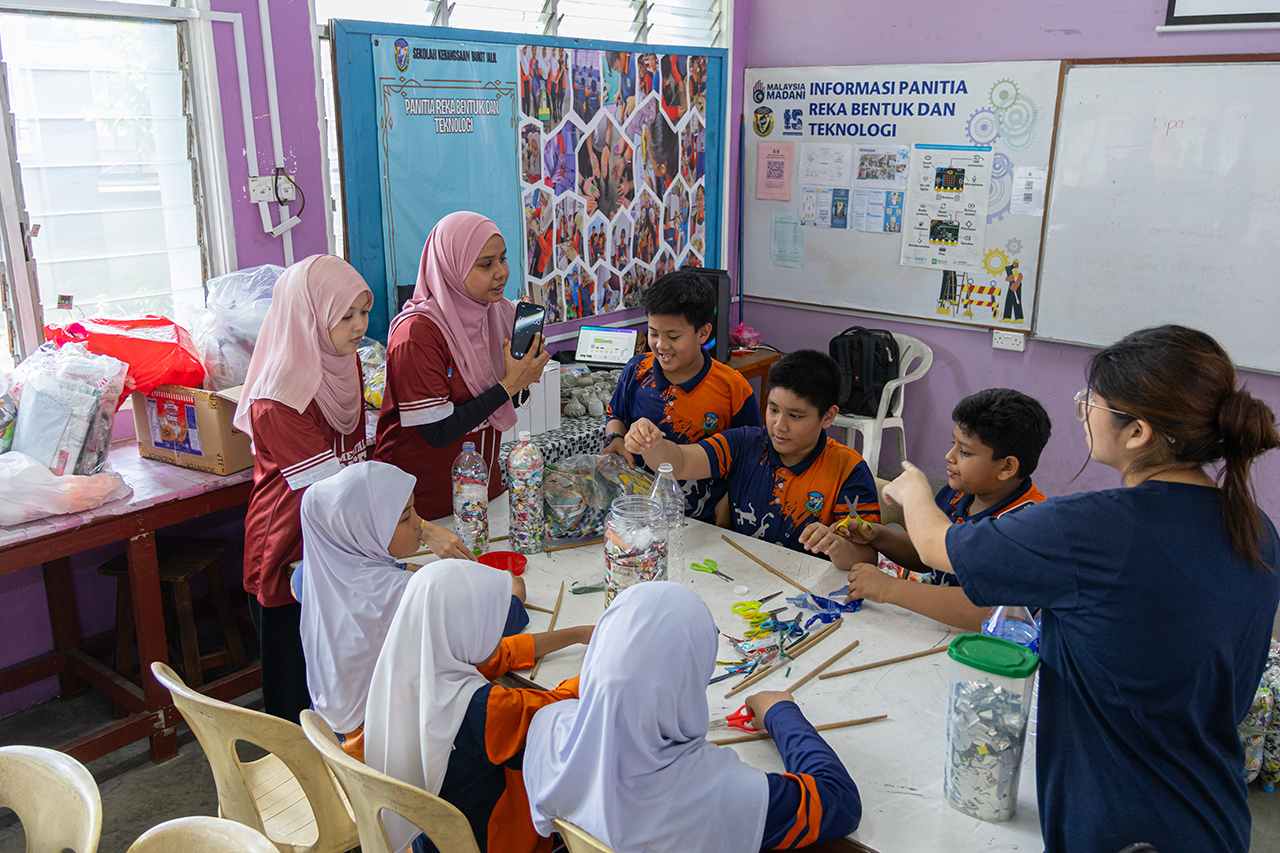
Day Two addressed SDG 12 through a recycling and upcycling workshop facilitated by Ts Mohd Faisal Abdur Rani, Certified Green Project Manager and Co-Founder of Impactlution, together with Ms Mas Nor Farahdayazie Binti Ab Aziz from PJ Eco Recycling Plaza (Impactlution & Hara Makers), supported by APU and UKM student volunteers. Activities included environmental awareness talks, EcoBrick challenges, DIY soap-making from used cooking oil, Trash Tower challenges, and interactive quizzes. The workshop reshaped students’ perceptions of waste from “trash” to “resource,” equipping them with creative skills to repurpose materials and encouraging conscious consumption habits both at school and at home.
Day Three centred on SDG 4, combining e-waste management education and digital literacy. The e-waste session was delivered by Ts Mohd Shamsul Izuan Che Musa, Deputy Director, Technology Development Department, and Mr Muhammad Syaaban Abdul Hamid, Assistant Director, from the Malaysian Communications and Multimedia Commission (MCMC). Students learned to identify different types of e-waste, understand the hazards of improper disposal, and locate authorised recycling centres. Interactive quizzes and a giant Snake & Ladder board game reinforced learning in an engaging way, shifting attitudes towards responsible electronic waste management.
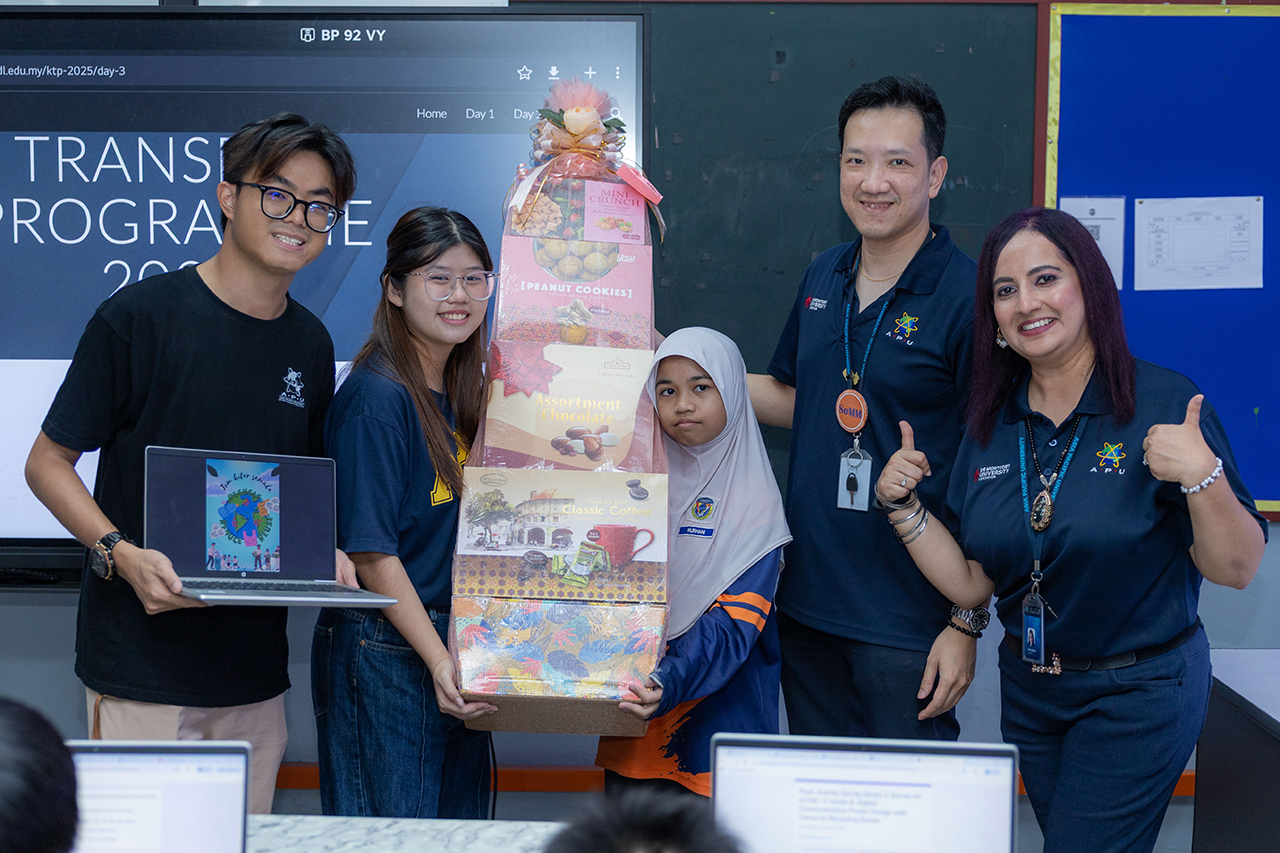
This was followed by a Canva poster design workshop facilitated by APU and UKM student volunteers, where students translated sustainability messages into creative digital visuals. By merging design skills with environmental advocacy, students developed digital confidence and emerged as young “sustainability ambassadors” capable of influencing peers and family members.
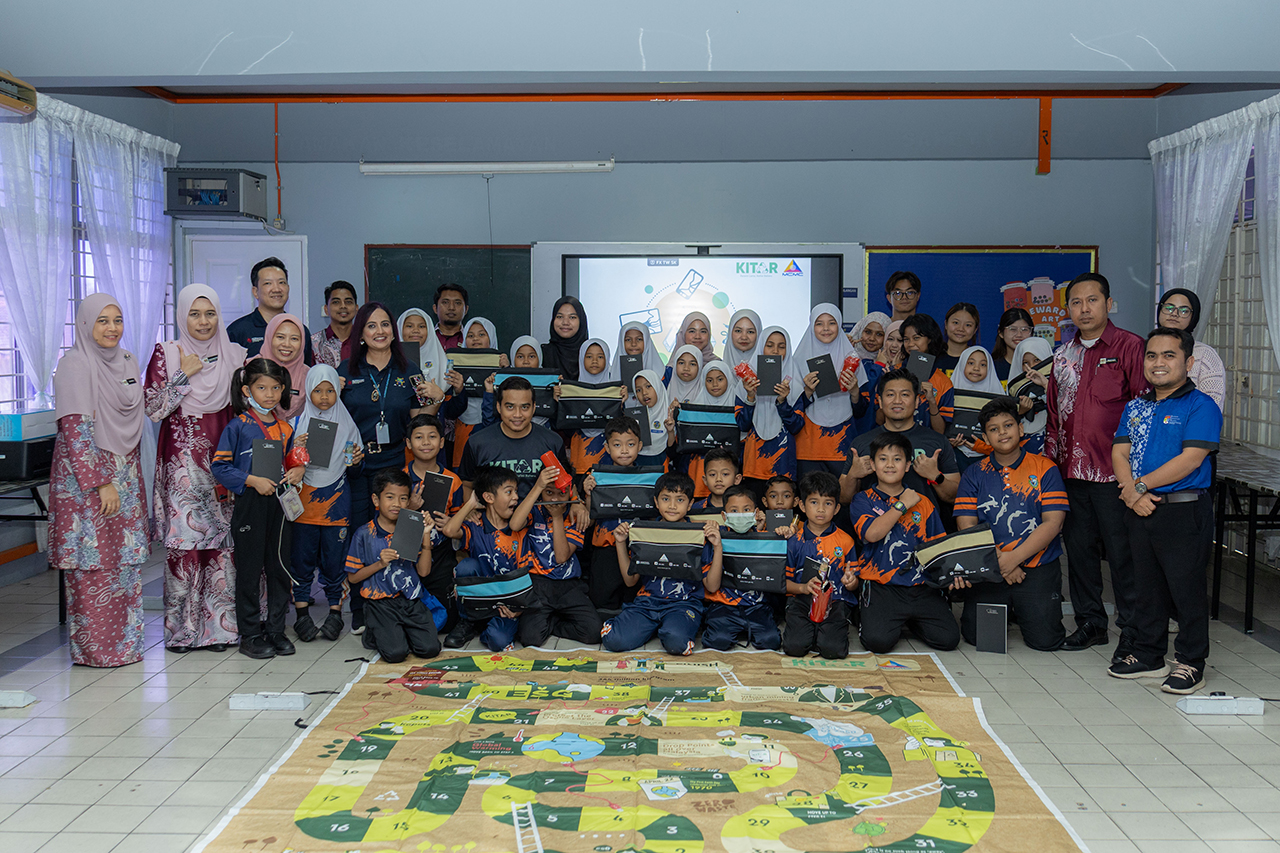
Programme impact was measured through pre- and post-activity surveys, which indicated improvements in students’ understanding of sustainability concepts, environmental responsibility, and willingness to practise eco-friendly behaviours. Many continued caring for the planted trees weeks after the programme and expressed interest in leading future green initiatives.
Professor Dr Ho Chin Kuan, Vice-Chancellor of APU, said, “A university’s Knowledge Transfer Programme is most impactful when it extends beyond campus—empowering communities, sharing expertise, and fostering an inclusive, innovative culture for the future. In short, KTP uplifts communities while giving students real-world experience, empathy, and purpose.”
Associate Professor Dr Devinder Kaur, Head of SoMM, added that the programme showcased how collaboration with local schools can benefit both young learners and university students by supporting healthier lifestyles, enriched educational experiences and environmentally responsible behaviours, while preparing APU students to become holistic, values-driven leaders.
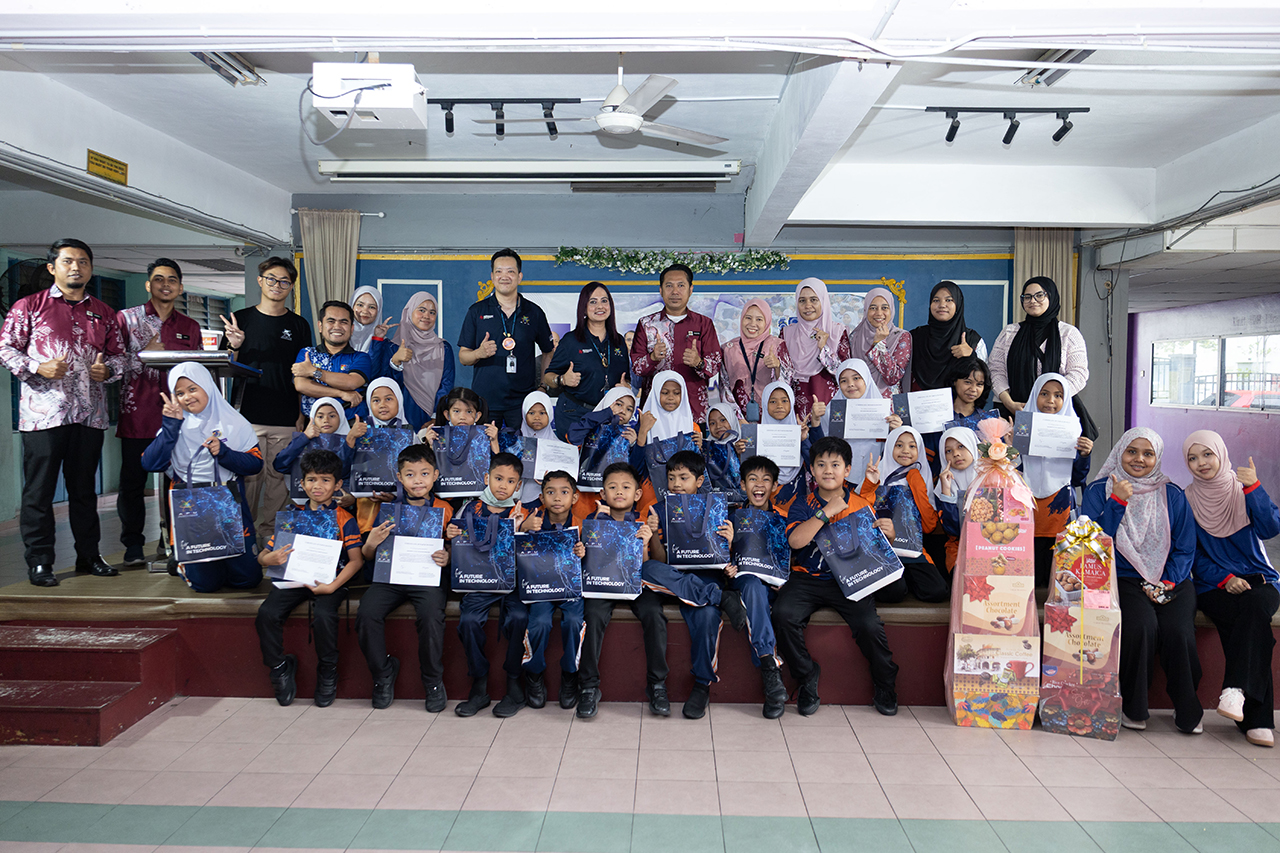
Reflecting on the experience, Digital Marketing student volunteer Vivekganandan B. Vadivellu described the programme as “innovative and informative,” while Mariam Elshafaay Haseb Elkhidr (Digital Marketing student) shared that the hands-on activities transformed perceptions of waste into valuable resources. Media and Communication Studies student Valencia Kwenady added that guiding the children and witnessing their excitement was the most rewarding aspect of the initiative.
Through this programme, APU reaffirmed its commitment to corporate social responsibility, community empowerment and the development of future-ready, socially responsible citizens.
News & Happening
Download e-Brochures
Intake Calendar
Want to know more ?
Let’s Connect