Image
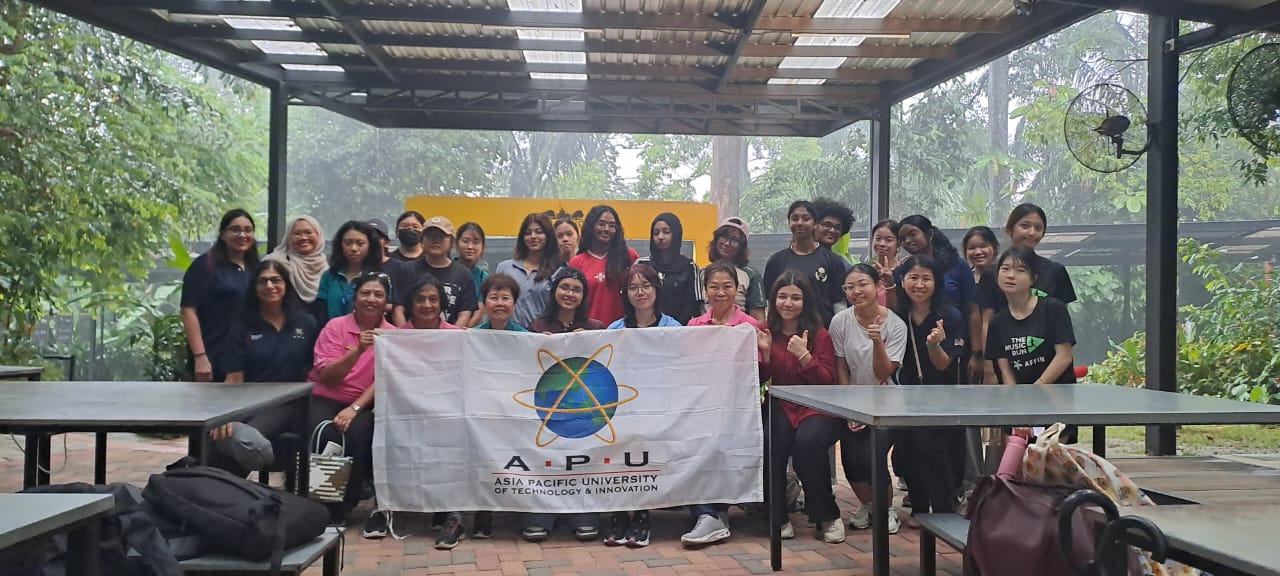
Around 20 Foundation Programme students from Asia Pacific University of Technology & Innovation (APU) stepped beyond the classroom to explore what environmental responsibility looks like in practice through the Sustainable Eco Action Through the Campus and Community (SEAT C&C) – From Awareness to Action programme.
Held at Taman Tugu, Kuala Lumpur, on 14 August 2026, the concluding engagement was co-organised by APU and the Soroptimist International Club of Bangsar (SICB), bringing students, academic staff and environmental partners together for hands-on learning centred on sustainability and conservation.
Learning Through the Environment
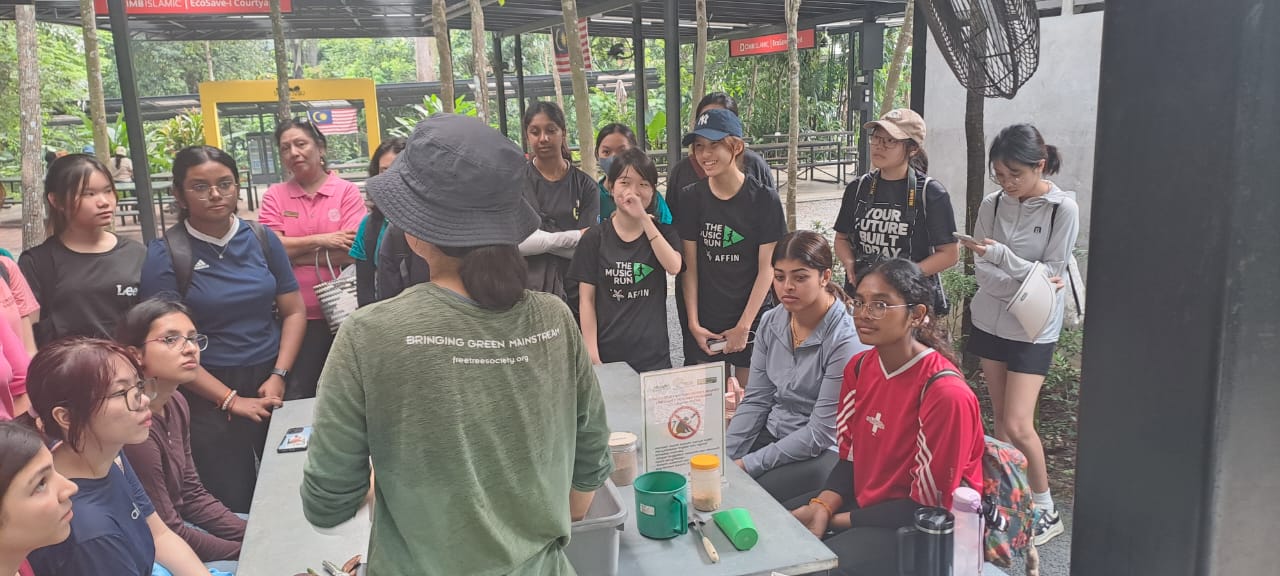
Activities included planting and gardening, discussions on sustainable water and waste management, as well as a Biodiversity Conservation and Climate Talk.
Rather than approaching sustainability only as an academic subject, students were encouraged to consider how everyday decisions affect the environment — from the way resources are consumed and waste is managed to how natural spaces are protected.
The surroundings of Taman Tugu added another dimension to the experience. Away from screens, classrooms and busy schedules, students had the opportunity to observe the natural environment more closely and recognise the role that trees, plants, living organisms and green spaces play in maintaining ecological balance.
For young people preparing to enter different professions, that understanding carries wider significance. Their future decisions, whether as engineers, entrepreneurs, designers, technologists, business leaders or professionals in other fields, can ultimately shape communities and influence the environment.
A Journey Built Around Participation
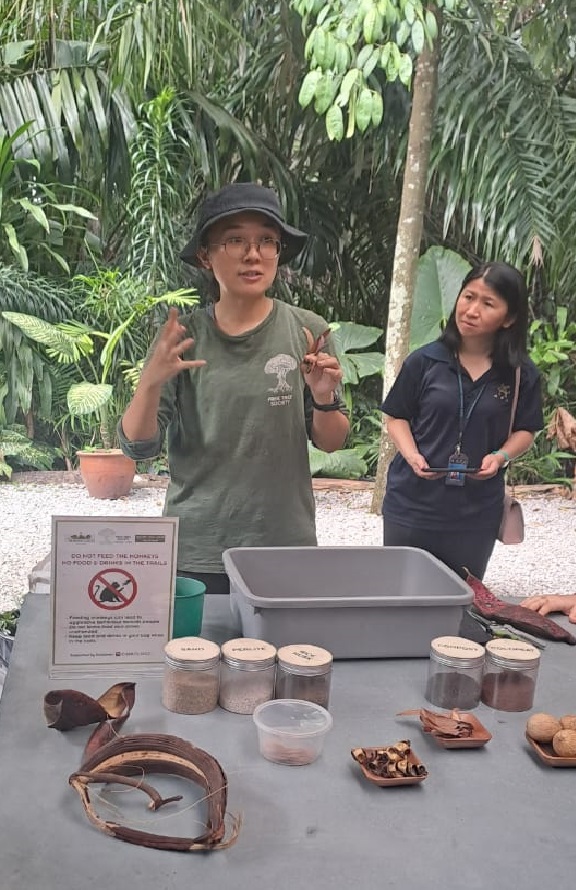
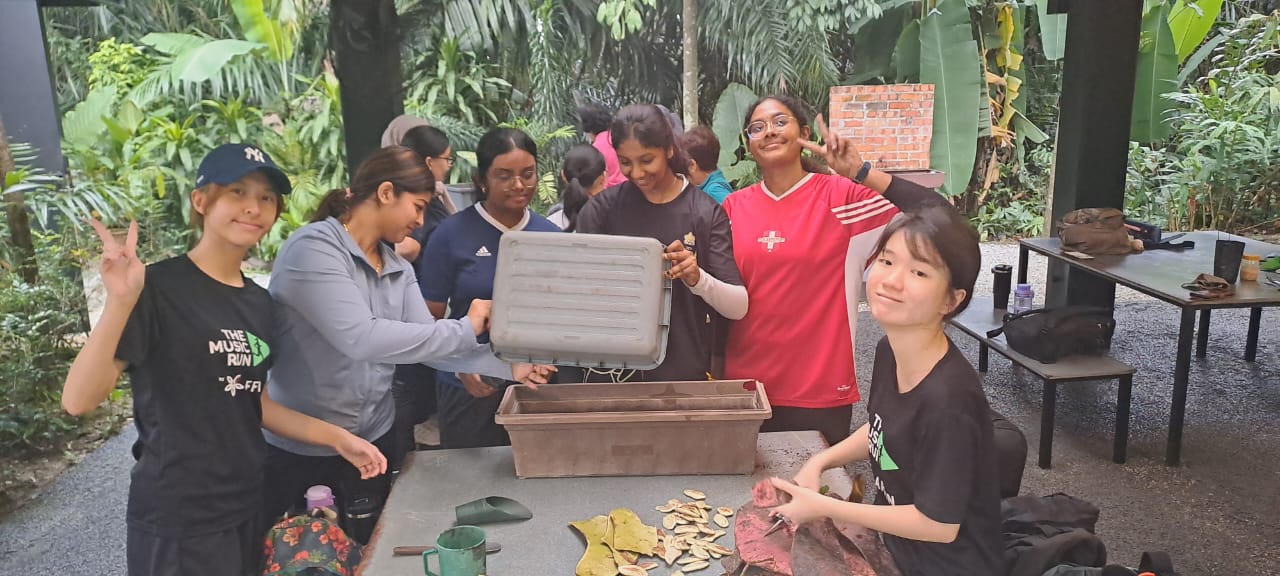
Led by Ms Gurdip Kaur, Senior Lecturer at APU’s School of Foundation Studies, who is also an advocator to SICB, the Taman Tugu engagement marked the culmination of a broader SEAT C&C journey that progressively moved students from learning about sustainability to participating in it.
Earlier activities included an environmental talk, a beach clean-up and classroom-based sustainability initiatives. During the clean-up alone, participants collected 73.29 kg of waste, turning discussions about pollution and responsible consumption into a visible measure of collective action.
The ideas developed in class, the waste removed from the environment and the practical activities at Taman Tugu each contributed to the same lesson: environmental responsibility is strengthened when knowledge is accompanied by participation.
For APU’s Foundation students, the programme also formed part of a broader educational journey. Beyond preparing for degree studies, they were given opportunities to develop awareness, empathy and a sense of responsibility towards the communities and environments they will encounter throughout their lives.
Nurturing Responsibility Beyond Campus
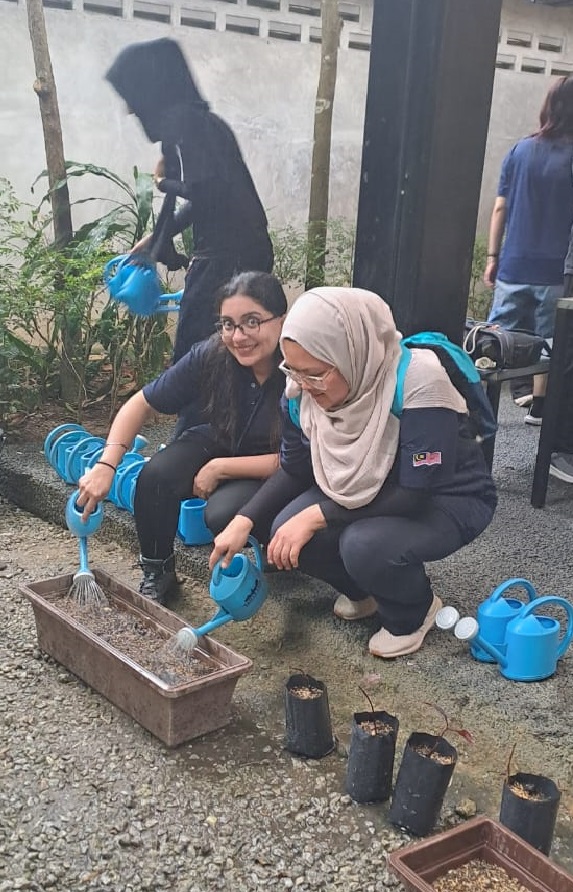
SEAT C&C also demonstrated the importance of collaboration between educational institutions, community organisations and environmental partners. Sustainable change rarely depends on one group alone; it grows when individuals and organisations contribute their knowledge, resources and willingness to act.
As the programme concluded, students left with more than memories of the activities completed. They carried with them a stronger appreciation of nature, a clearer understanding of their individual responsibilities and practical examples of how sustainable choices can become part of everyday life.
“Sustainability becomes meaningful when students can connect what they learn with the choices they make and the communities they serve. Through SEAT C&C, we wanted our Foundation students to recognise that environmental responsibility is shared by everyone, and that even small, thoughtful actions can contribute to lasting positive change,” said Ms Gurdip.
Through its collaboration with SICB, APU hopes the experience will continue to influence students as they progress through university, their future careers and their communities — turning environmental awareness into considered, sustained action.
News & Happening
Download e-Brochures
Intake Calendar
Want to know more ?
Let’s Connect