First-year International Relations students step beyond textbooks and into a diplomatic setting at the Embassy of the People’s Republic of China in Malaysia, combining insights into bilateral relations with a lively Mid-Autumn Festival cultural experience.
Image
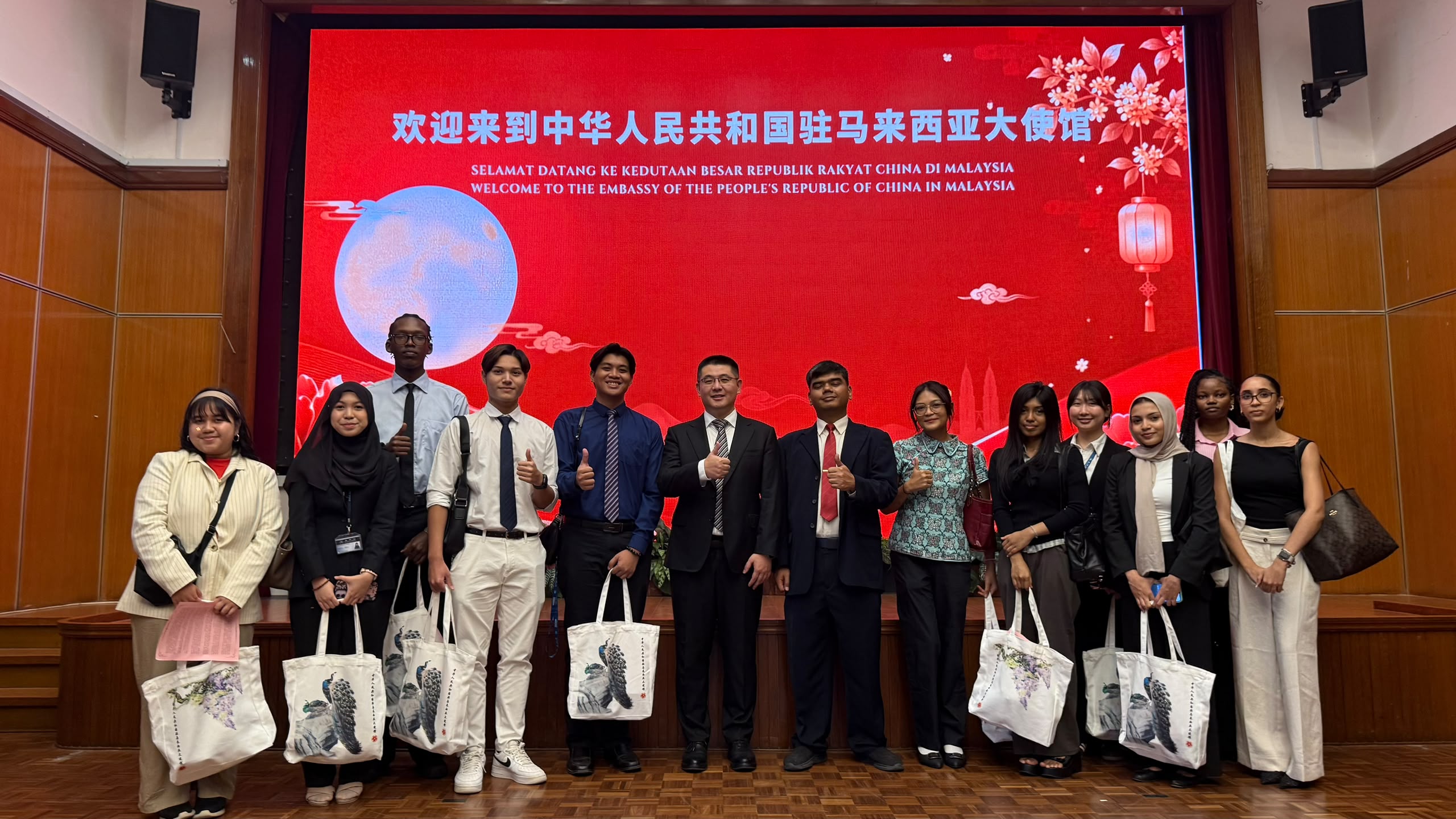
As the People’s Republic of China marks its National Day season alongside the Mid-Autumn Festival celebrations, a group of Asia Pacific University of Technology & Innovation (APU) students gained a timely first-hand introduction to diplomacy, cultural exchange and Malaysia–China relations.
On 15 September 2026, eleven first-year students pursuing the Bachelor of Arts (Honours) in International Relations at APU visited the Embassy of the People’s Republic of China in Malaysia, turning concepts normally discussed in lectures into a living lesson in international diplomacy.
Accompanied by Mr Nuruddin Abdul Aziz, International Relations Programme Leader at APU’s School of Business (SoB), the students participated in the Embassy’s Mid-Autumn Festival Open Day, where diplomatic learning was complemented by cultural immersion.
Where International Relations Comes to Life
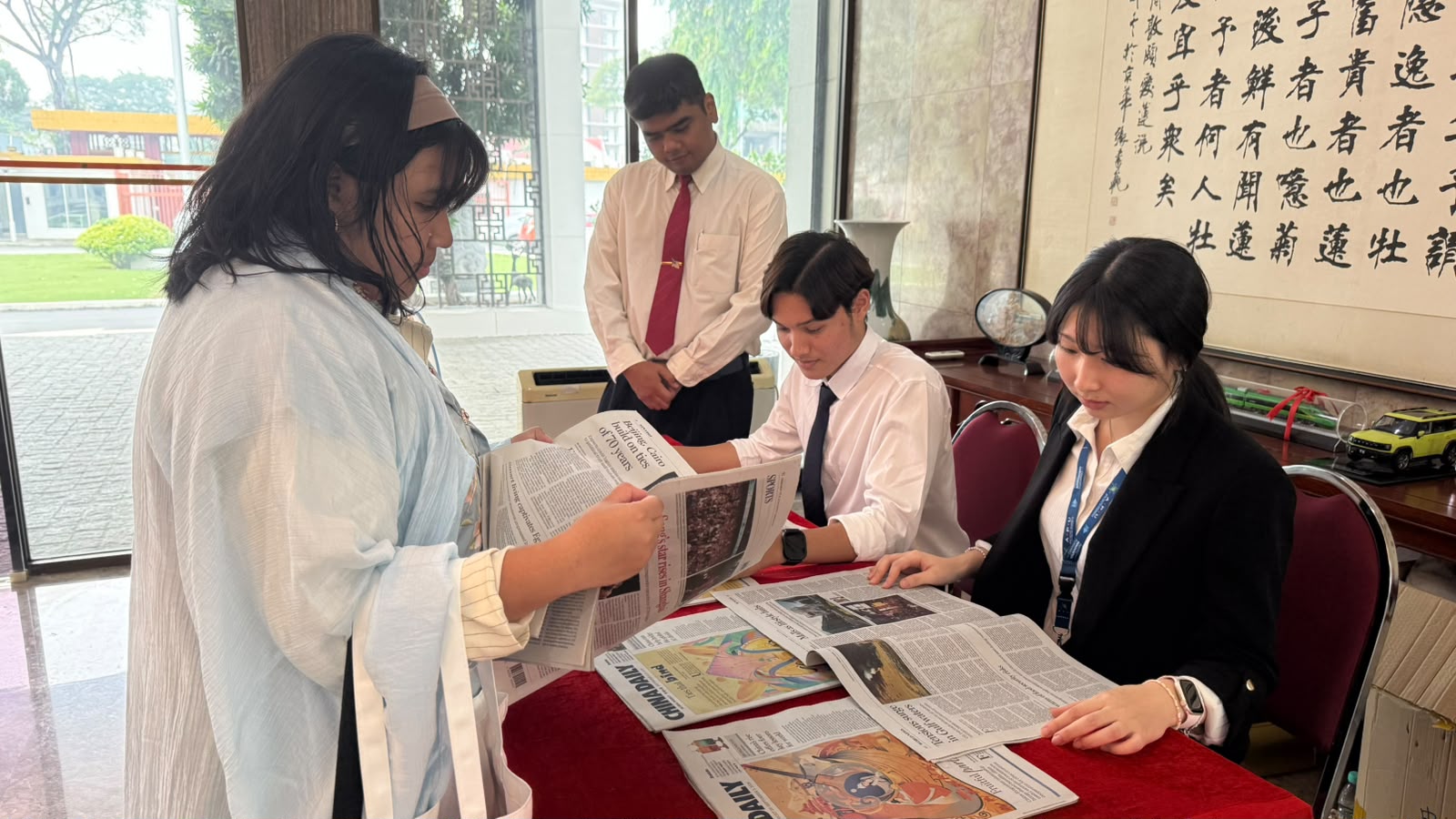
For students at the beginning of their International Relations journey, stepping into an embassy offered a different perspective on what diplomacy means in practice.
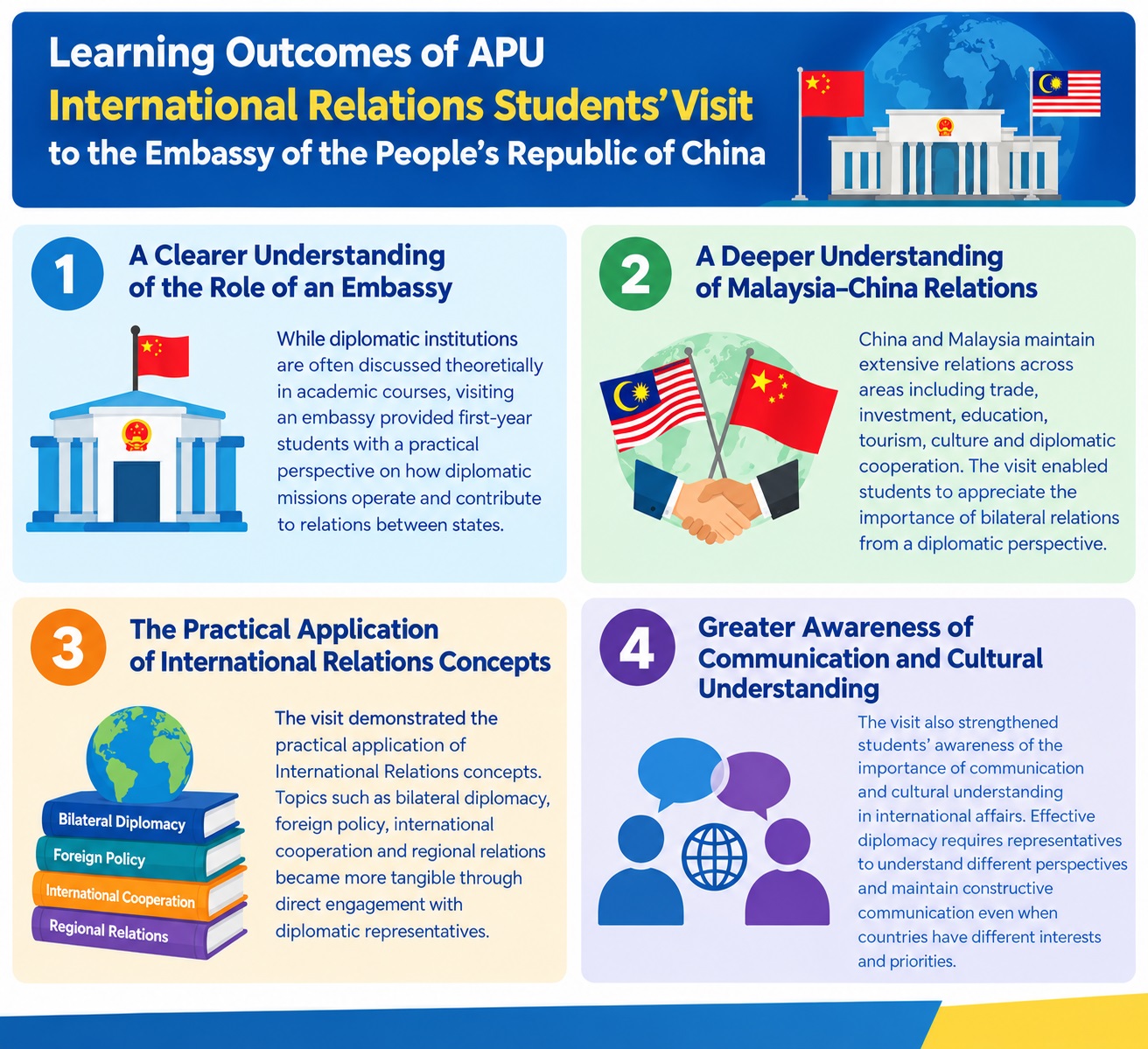
The visit introduced them to the functions and responsibilities of a diplomatic mission and the role embassies play in building communication, understanding and cooperation between countries.
During a briefing by Embassy representatives, students gained insights into various dimensions of diplomatic work, including the promotion of political, economic, cultural and educational cooperation between China and Malaysia.
They also explored the significance of bilateral relations and how diplomatic institutions facilitate dialogue and engagement between governments — bringing classroom discussions on foreign policy, international cooperation and state-to-state relations into a professional setting.
According to Mr Nuruddin, who lectures under the Law, Economics and International Relations unit at SoB, the experience was designed to help students connect theoretical knowledge with contemporary international affairs.
“The embassy visit was particularly valuable for our International Relations students as it connected academic knowledge with professional practice. International Relations extends beyond theories and historical events to include diplomacy, negotiation, foreign policy, international institutions and communication between states,” he said.
Understanding Malaysia–China Relations Beyond the Textbook
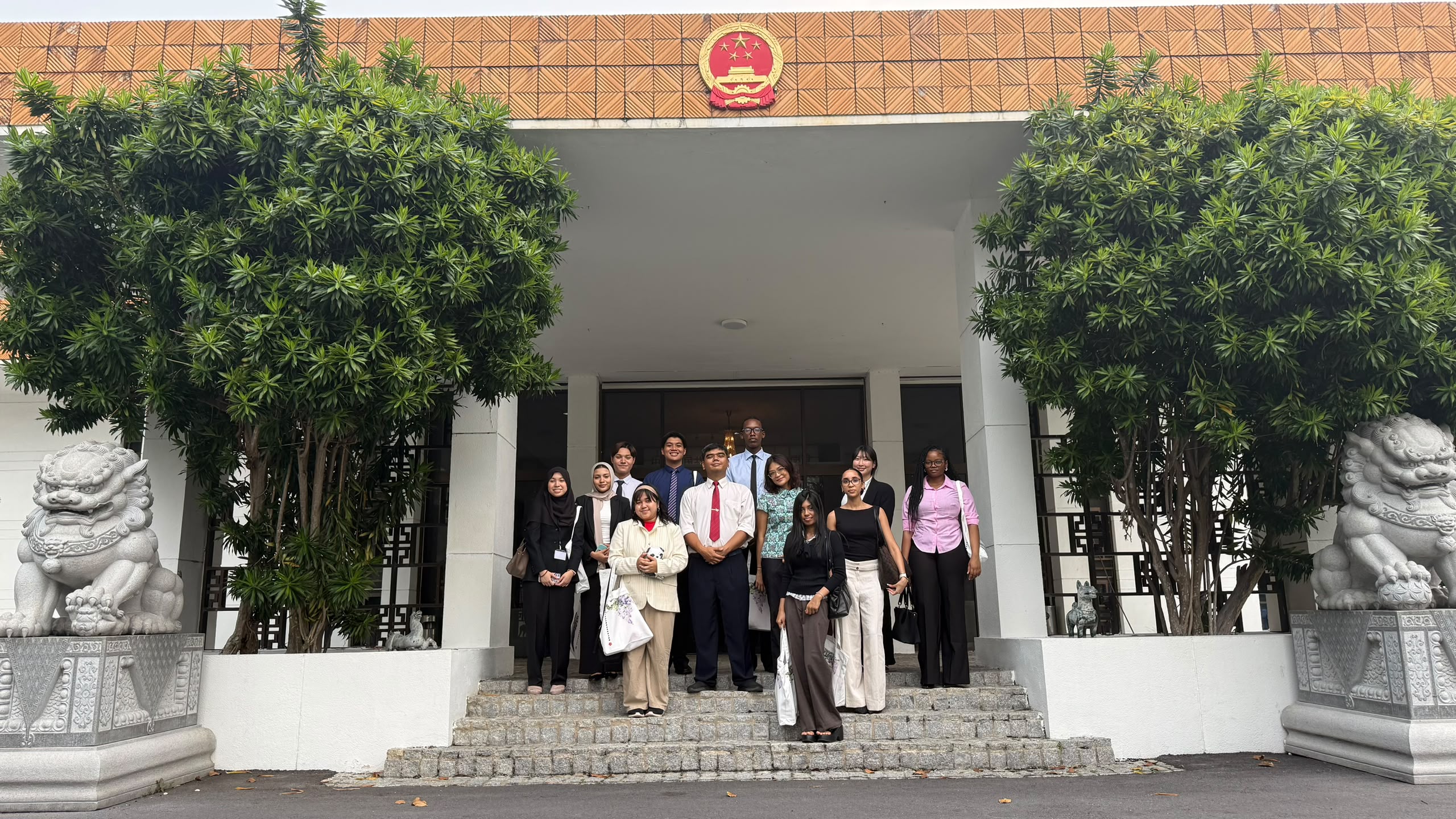
Interactions with diplomatic representatives also encouraged students to look more closely at Malaysia–China relations and the broader regional environment in which both countries operate.
Through the discussions, students were able to consider how diplomatic engagement supports bilateral cooperation while gaining a better appreciation of how international relationships are maintained through sustained communication, negotiation and mutual understanding.
Such exposure also introduced them to potential career pathways spanning diplomacy, government service, international organisations, policy research and international business.
“Engaging with diplomatic representatives further encourages students to stay informed about regional and global developments, while strengthening their analytical and communication skills and broadening their understanding of international relations beyond the classroom,” Mr Nuruddin added.
Diplomacy Meets Cultural Discovery
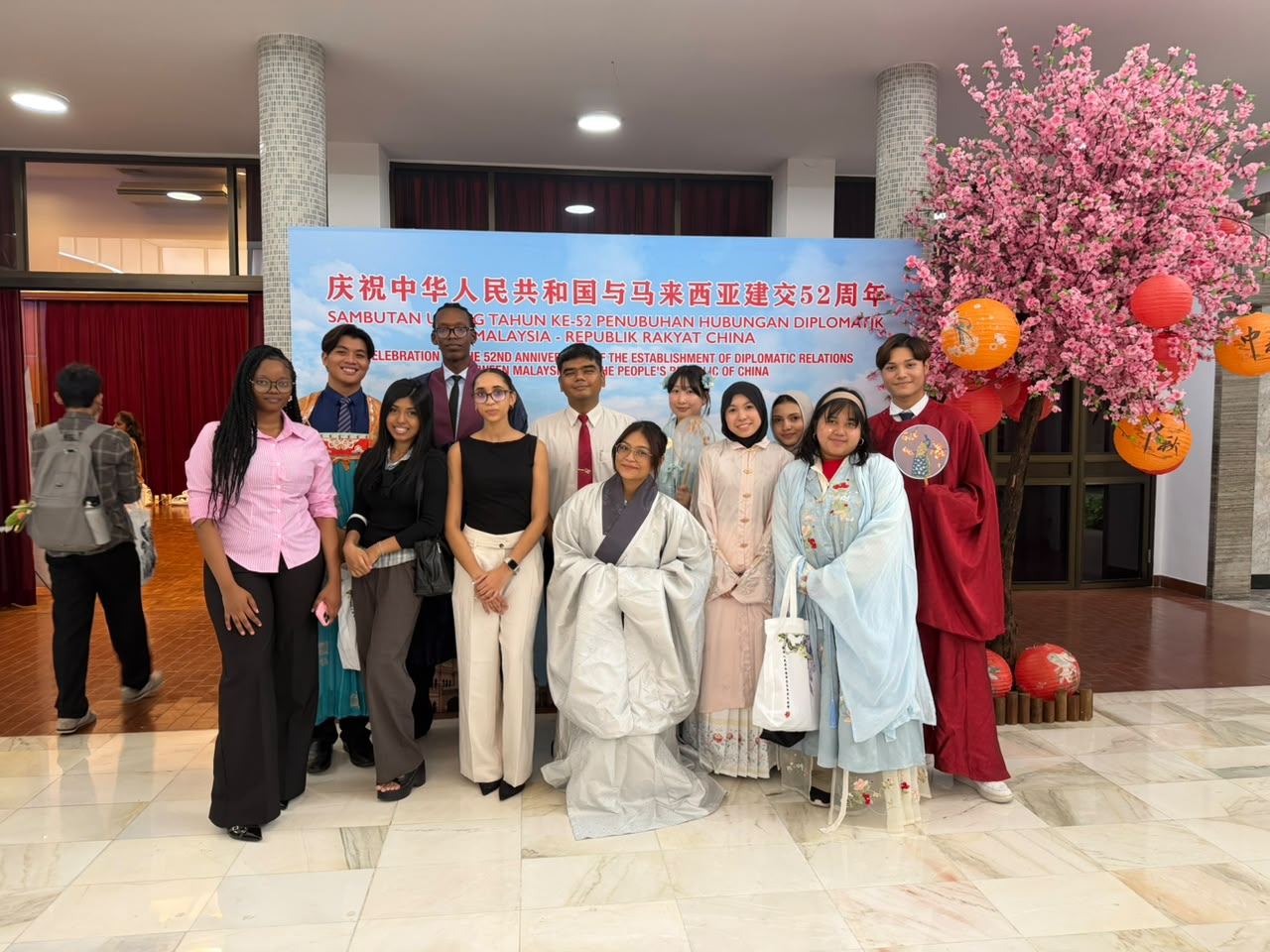
Learning continued after the formal briefing — this time through culture.
Students joined a variety of Mid-Autumn Festival activities, from making their own mooncakes and crafting lanterns to dressing in traditional Hanfu attire. Beyond their festive appeal, the activities offered another dimension to understanding international relations: the role of culture in creating connections between people.
For the students, the visit demonstrated that diplomacy is not confined to formal negotiations or government meetings. Cultural understanding, interpersonal engagement and people-to-people exchanges are equally important in strengthening relationships between nations.
By moving learning beyond the lecture hall and into an active diplomatic environment, the visit reflected APU’s lively approach to International Relations education, which encourages students to observe, engage, question and experience the realities behind the theories they study.
News & Happening
Download e-Brochures
Intake Calendar
Want to know more ?
Let’s Connect