The CIPTA 2026 field trip brought APU artificial intelligence (AI) students into the heart of Malaysia’s museum landscape, encouraging them to explore how storytelling-driven AI, extended reality (XR), and other emerging technologies could enhance visitor engagement, enrich museum experiences, and support the preservation and communication of Malaysian cultural heritage.
Image
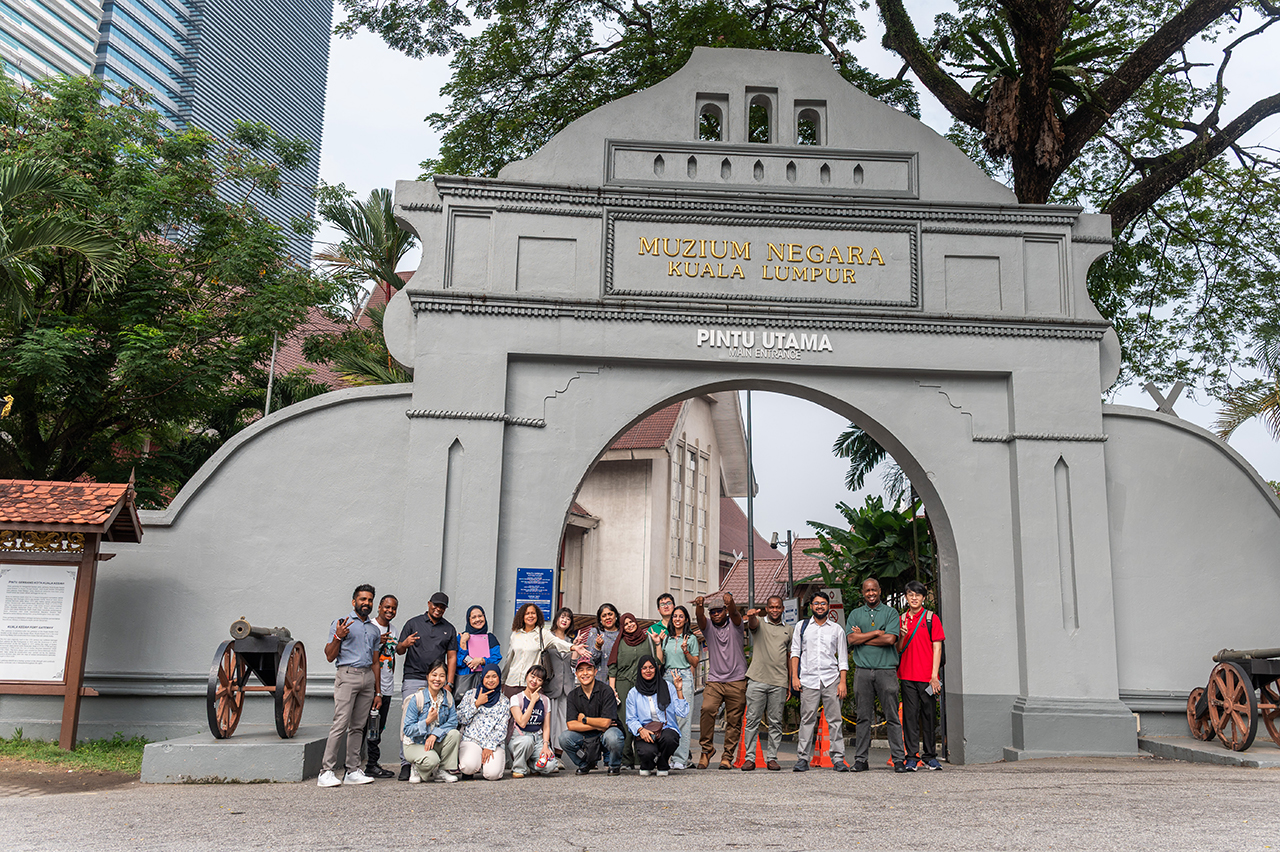
Creating Impact with People, Technology, and AI (CIPTA) 2026 stood out as a distinctive applied Artificial Intelligence (AI) initiative, conceptualised and driven by technology innovators Far Out Solutions and Kiranamaya, alongside academic leaders from Asia Pacific University of Technology & Innovation (APU), Associate Professor Ts Dr Vinothini Kasinathan and Ms Sarimah Samsudin.
Ahead of the main hackathon, the organisers brought a cohort of postgraduate students to Muzium Negara, giving them the opportunity to meet stakeholders within Malaysia’s heritage sector and gain first-hand exposure to the realities of museum operations.
Rather than beginning with technology alone, the visit encouraged students to first observe, understand and analyse the environment in which their solutions might eventually be applied.
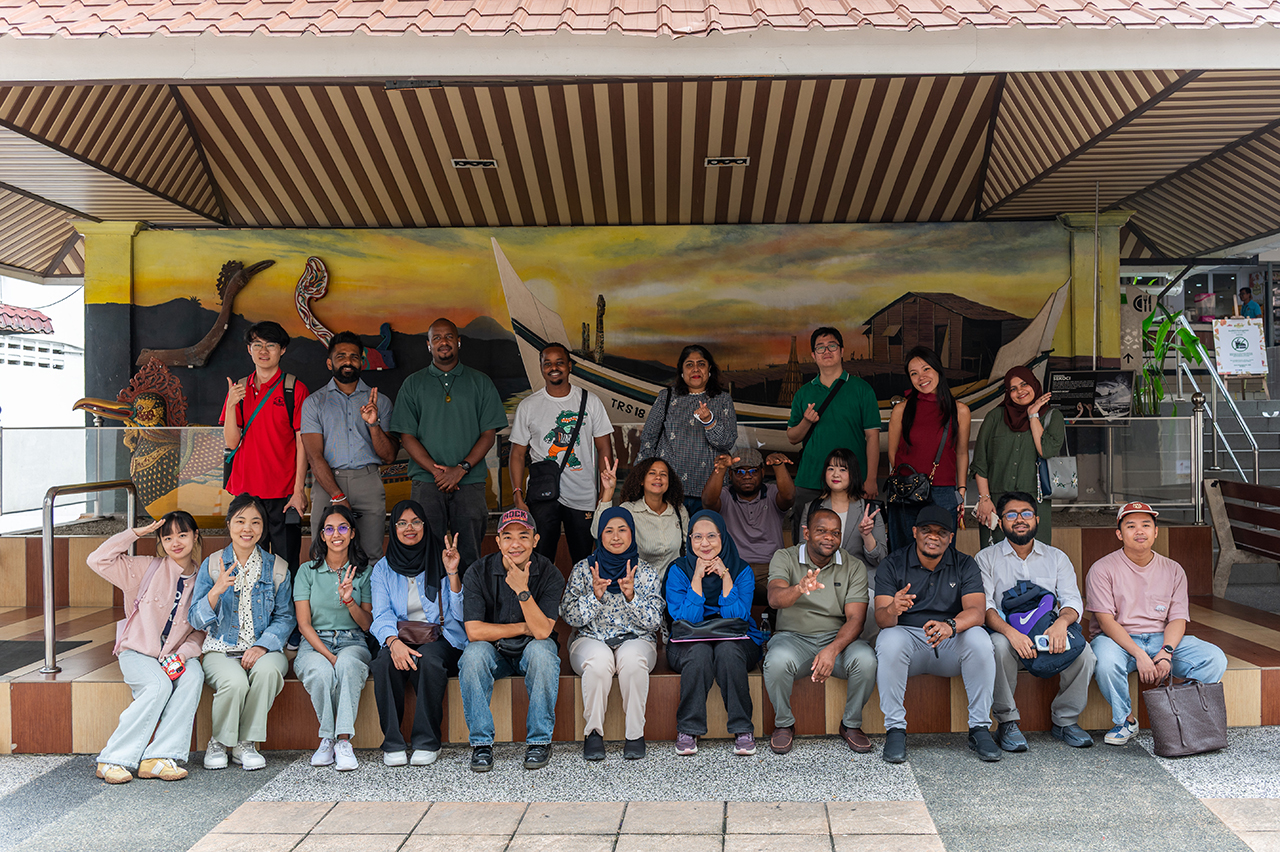
Reflecting APU’s international learning community, the group included students from Bangladesh, China, Djibouti, France, India, Japan, Malaysia, Mauritius, Nepal, Pakistan, Sri Lanka and Tanzania, drawn from the Master of Business Administration with a specialism in Artificial Intelligence and Master of Science in Artificial Intelligence programmes, together with participants who later emerged as hackathon winners.
Learning beyond the classroom
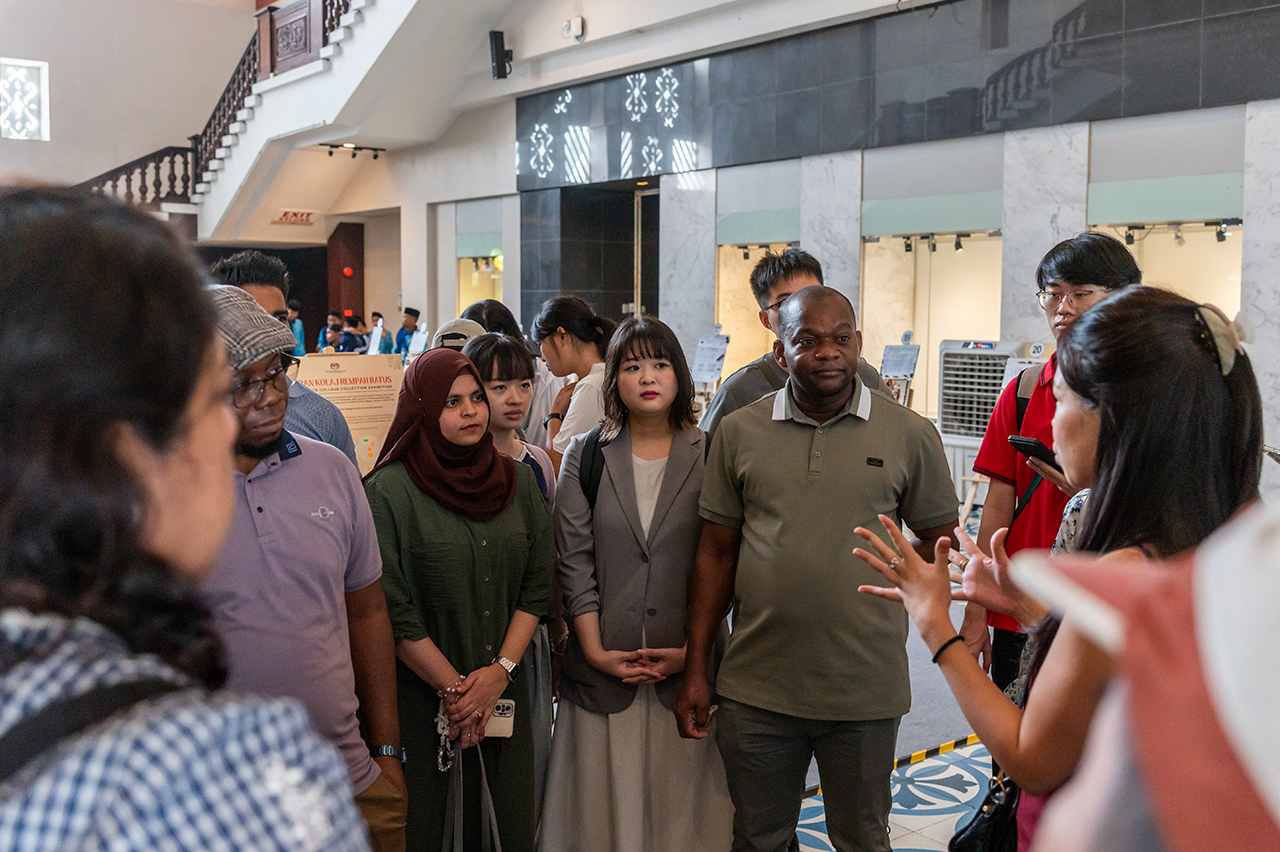
At Muzium Negara, Ms Fay Lee from Far Out Solutions guided students through the museum’s interior spaces, highlighting how gallery colour palettes, lighting arrangements, spatial design, and technology had been deliberately brought together to communicate Malaysia’s heritage stories by rethinking museum journeys through the lens of applied AI.
The experience encouraged students to look beyond exhibits as individual objects. They were invited to consider how visitors move through a museum, how information is presented, what captures attention, and where technology could strengthen an existing experience without distracting from the heritage itself.
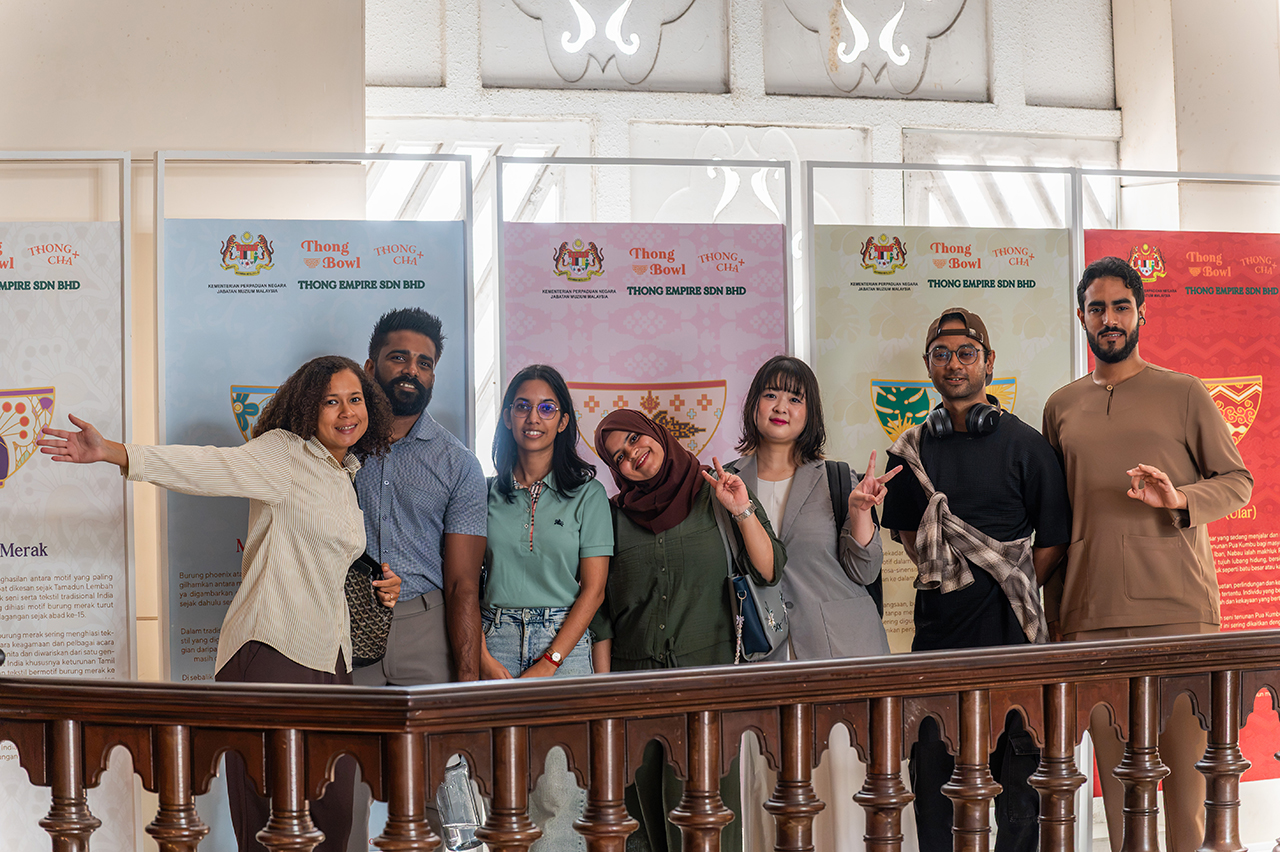
Discovering opportunities for applied AI
Following the competition and field experience, students began considering how their different technical backgrounds could contribute to cultural heritage environments.
The museum visits encouraged them to identify potential gaps relating to visitor engagement, accessibility, interpretation and digital storytelling, while exploring how AI and emerging technologies could respond to these challenges in practical ways.
For students from diverse computing, AI and engineering backgrounds, cultural heritage provided an interdisciplinary environment in which technical expertise could intersect with storytelling, design and human experience.
Possible applications extended beyond one particular technology. Students could envision intelligent information systems, personalised visitor journeys, interactive storytelling experiences, immersive environments, conversational interfaces, multimedia installations and accessible digital interpretation.
The key principle, however, remained consistent: technology should support the heritage experience rather than compete with it.
CIPTA 2026 by Far Out Solutions and Kiranamaya therefore became more than a competition or a museum visit.
It became a bridge between classroom learning, industry practice, artificial intelligence and cultural heritage — encouraging students to imagine not only what technology can create, but what it can help society preserve.
News & Happening
Download e-Brochures
Intake Calendar
Want to know more ?
Let’s Connect