Image
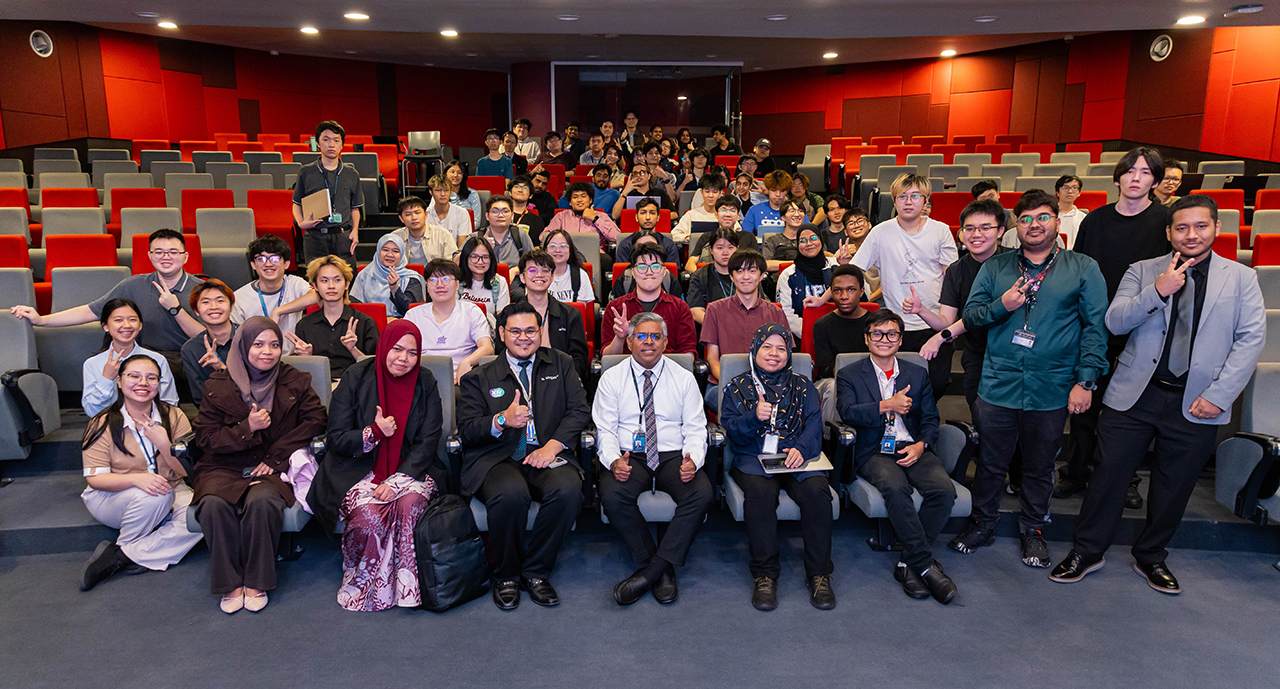
Recently, Asia Pacific University of Technology & Innovation (APU) XR Aviators Club hosted XR Aviators Hybrid Seminar 2026, themed “Beyond XR: What’s Next?;” a two-day seminar.
Led by Ts Muhammad Nur Affendy Nor’a (Lecturer and Advisor of APU XR Aviators Club, School of Computing at APU), the seminar brought together students, academics, researchers, and industry professionals to explore the evolving landscape of extended reality (XR), artificial intelligence (AI), immersive technologies, and embodied intelligence.
Day One: Exploring Human-AI Collaboration and Immersive Creativity
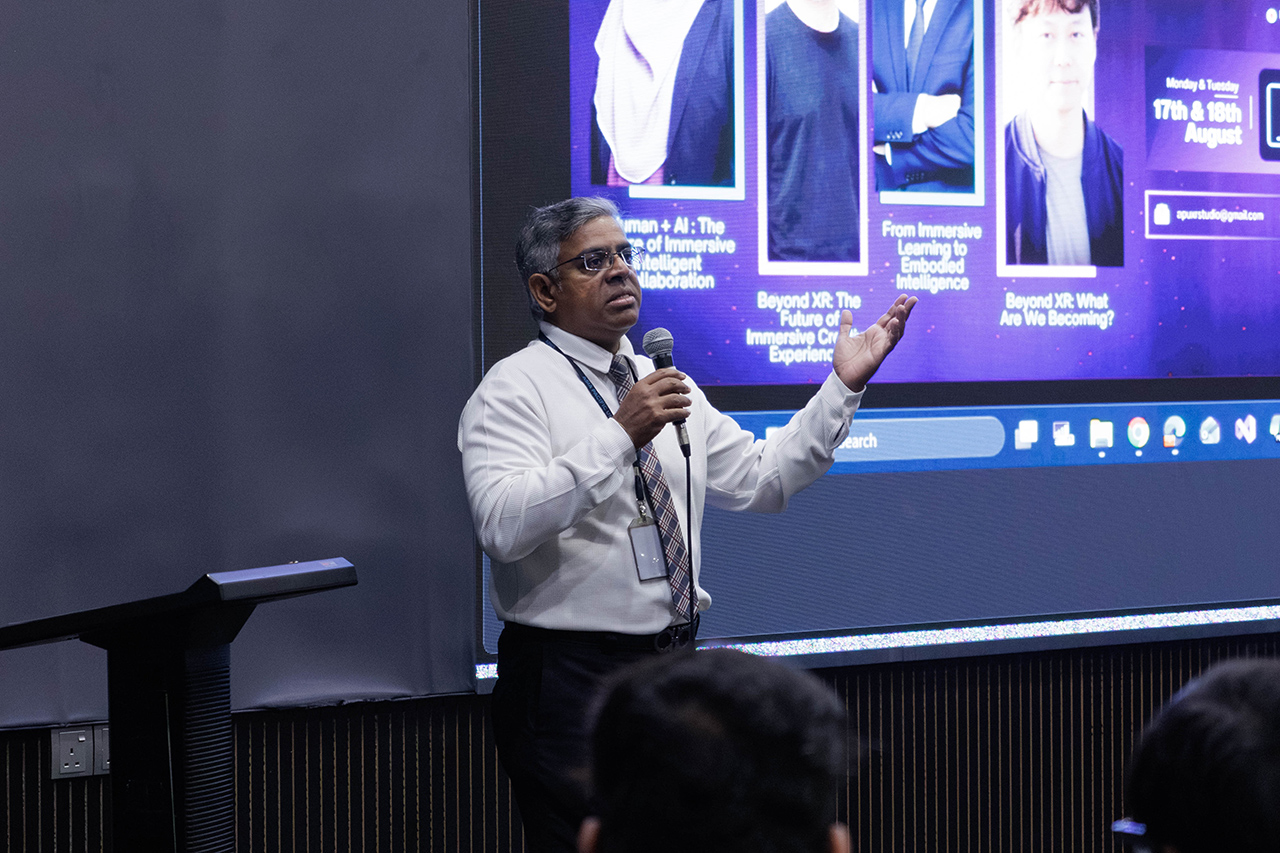
The seminar began with welcoming remarks by Professor Ir EUR ING Ts Dr Vinesh Thiruchelvam, Chief Innovation & Enterprise Officer of APU, who highlighted the importance of collaboration between academia and industry in creating opportunities for students to engage with emerging technologies beyond the classroom.
He also acknowledged the efforts of APU XR Aviators Club in connecting students with researchers and industry professionals within the XR ecosystem.
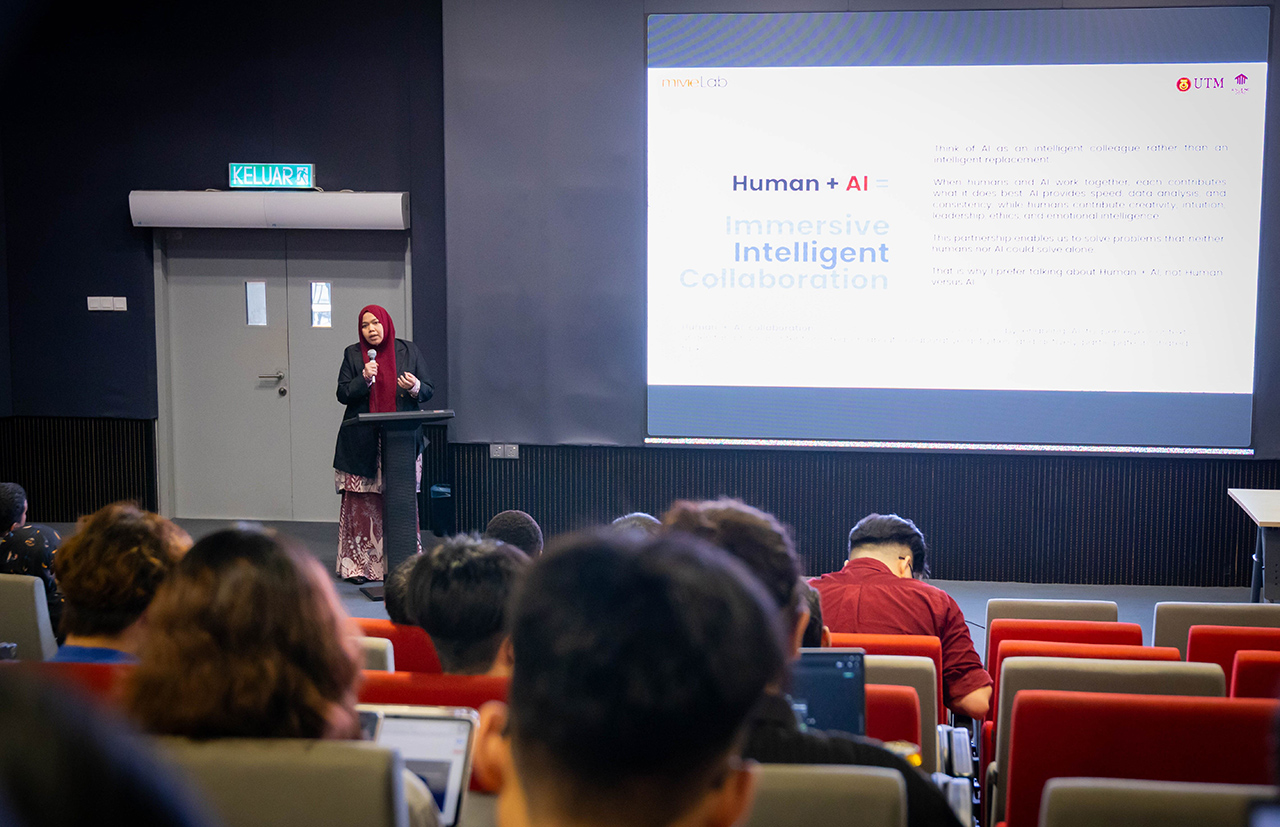
The seminar then continued with the first keynote titled “The future of Immersive Intelligent Collaboration,” delivered by Assoc Prof Dr Ajune Wanis Ismail, Associate Professor at Universiti Teknologi Malaysia (UTM).
Drawing on her work in virtual, augmented, and mixed reality, she explored the growing integration of AI into immersive technologies, and how human-AI collaboration could shape future digital experiences.
Dr Ajune discussed how AI can complement human creativity, productivity, and decision-making, while qualities such as empathy, ethics, creativity, and judgement remain important in shaping how these technologies are applied.
The session also examined the evolution of XR towards more intelligent and context-aware environments capable of responding to users’ interactions, gestures, and spatial behaviours.
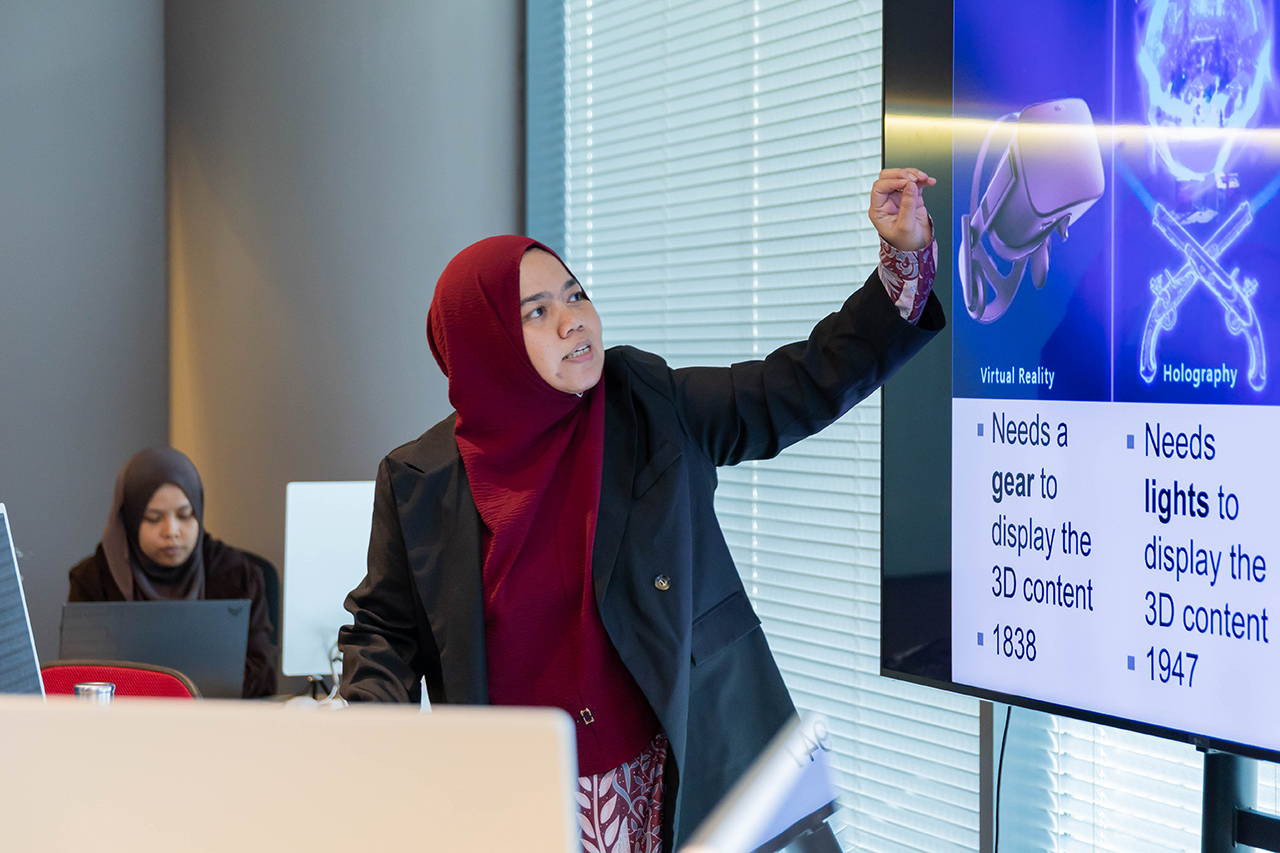
Following the keynote, participants took part in a hands-on AR workshop conducted by Dr Ajune; introducing them to AR tracking applications using WebGL technologies.
Through demonstrations and guided exercises, participants explored AR tracking, the integration of digital content into real-world environments, and the development of interactive experiences that can be accessed through web browsers without requiring dedicated mobile applications.
The seminar then shifted towards the creative possibilities of immersive technology with the second keynote titled “Beyond XR: The future of Immersive Creative Experiences,” delivered by Mr Abdul Hasib Jahidin, Creative Lead at Astro AWANI.
With more than 25 years of experience across broadcasting, computer-generated imagery (CGI), visual effects (VFX), virtual production, and immersive media, he shared industry perspectives on the changing landscape of storytelling and digital content creation.
Using examples from broadcast productions and virtual production projects, Mr Abdul explored how real-time rendering, LED environments, AI-assisted workflows, and spatial computing are influencing creative practices.
He also highlighted the importance of storytelling, thoughtful design, cultural authenticity, and human creativity in developing immersive experiences.
Day Two: Looking beyond XR towards Embodied Intelligence
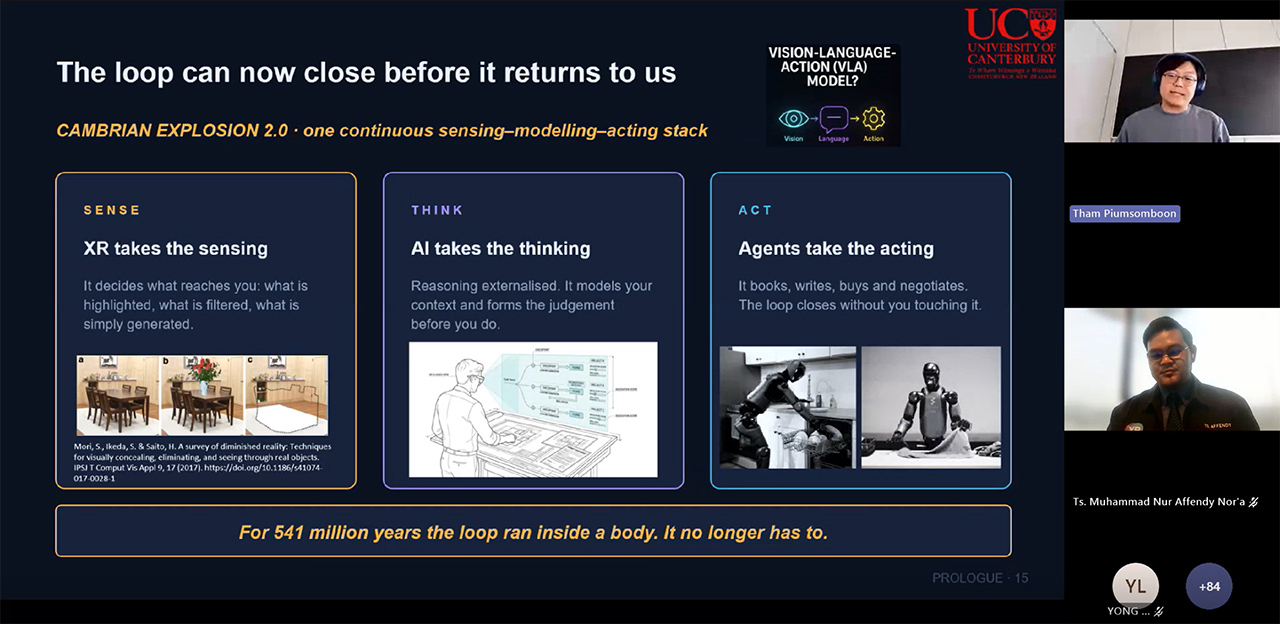
The second day shifted the discussion towards human augmentation, embodied intelligence, and next-generation human-machine collaboration; beginning with the keynote titled “Beyond XR and the future of Human Agency,” delivered by Assoc Prof Dr Thammathip Piumsomboon, Associate Professor at the University of Canterbury (UC).
Drawing from his work in human-computer interaction and XR, he encouraged participants to consider how emerging technologies could influence human capability, autonomy, and identity.
Dr Thammathip’s session explored areas including human augmentation, brain-computer interfaces, Neuralink technologies, AI-assisted cognition, and telepresence systems, alongside the ethical considerations associated with increasingly integrated human-machine ecosystems.
The discussion also examined how future XR and AI systems could support people in becoming more capable, self-directed, and socially connected; prompting participants to consider the broader relationship between technological advancement and human agency.
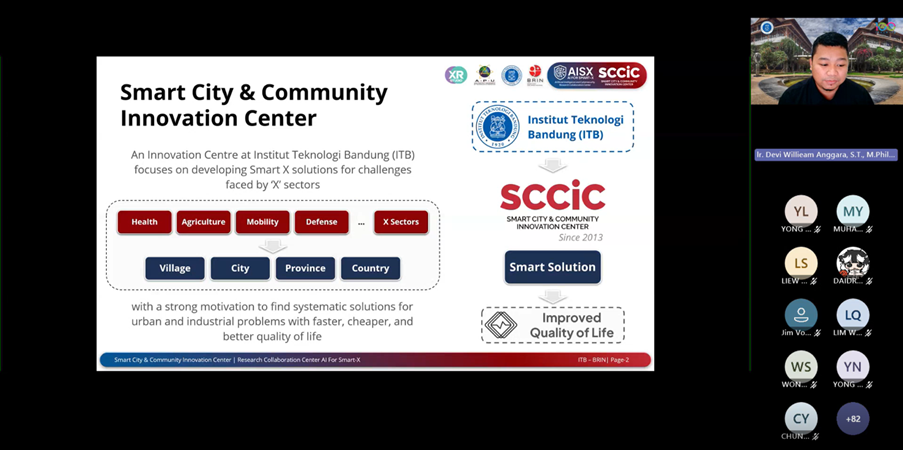
The final keynote of the seminar titled “From Immersive learning to Embodied Intelligence,” was presented by Ir Dr Devi Willeam Anggara, Researcher at Institut Teknologi Bandung (ITB).
Drawing from his research in AI, smart cities, robotics, computer vision, and advanced digital systems, he examined how emerging technologies are progressing beyond immersive experiences towards embodied intelligent systems capable of interacting directly with the physical world.
Dr Devi’s presentation featured research involving robotics, intelligent perception systems, urban digital twins, AI-driven automation, and immersive learning environments.
He also addressed the importance of considering ethics, sustainability, human welfare, and societal development, alongside technological innovation, offering participants a broader perspective on the implications of developing increasingly intelligent and interactive technologies.
Encouraging Exploration across XR and AI
Through the seminar, participants gained broader exposure to the ways XR, AI, and related technologies are being developed and applied across different fields.
The range of topics and perspectives also encouraged participants to consider how emerging technologies can be explored beyond their current applications.
These insights and practical experiences can support participants, as they continue developing their skills, and applying emerging technologies within their respective areas.
News & Happening
Download e-Brochures
Intake Calendar
Want to know more ?
Let’s Connect